Shopper trust is built through a series of small but important moments. The price shown at the shelf should match the price charged at checkout. Promotions should be current and easy to understand. Product information should remain consistent across the shelf, the retailer’s app and other customer-facing channels.
When these details align, the in-store experience feels reliable and easy to navigate. When they do not, shoppers may need to pause, confirm the information or ask an associate for clarification. Even a minor discrepancy can introduce friction at the point of decision.
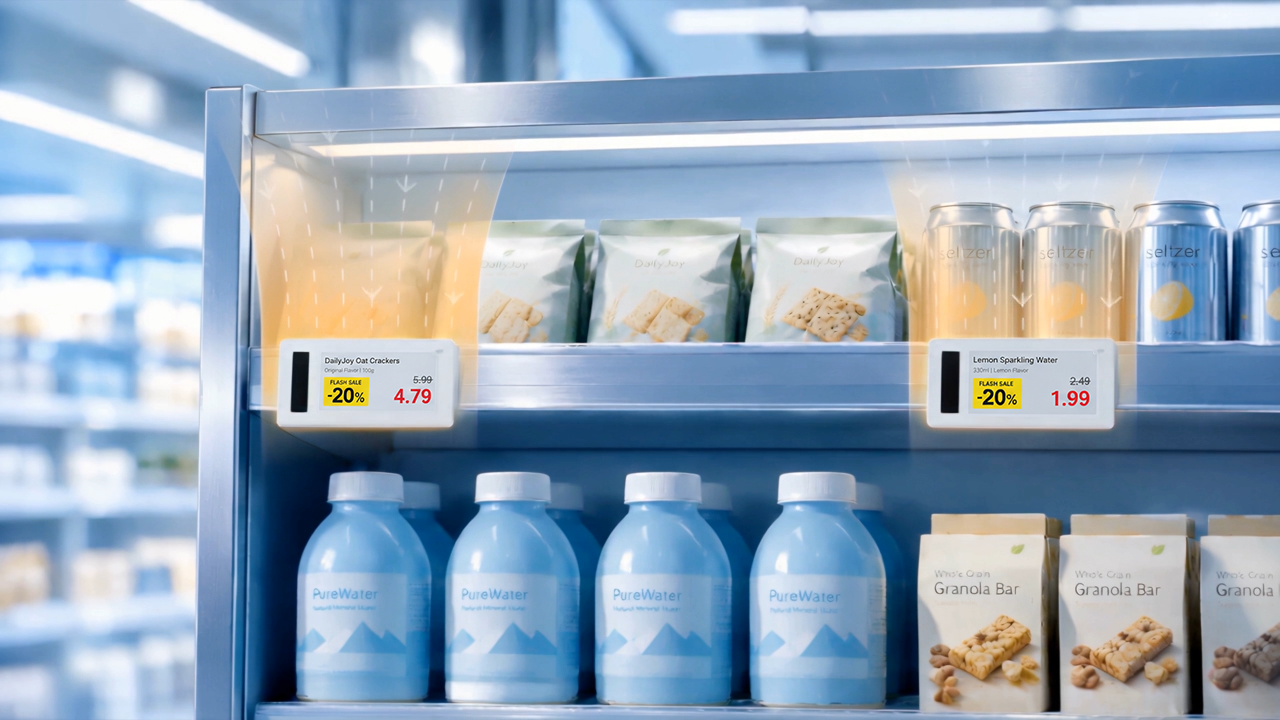
Electronic shelf labels (ESLs) can help retailers create this consistency at scale. By connecting approved pricing, promotion and product information with the shelf edge, ESLs support a more dependable shopping experience while giving store teams clearer visibility into update status and execution exceptions.
Why Operational Consistency Matters for Shopper Trust
Shoppers experience a retailer through connected touchpoints—from searching for a product and reading shelf information to receiving a promotion and completing the purchase. They may not see the systems and workflows behind these interactions, but they notice when information at one touchpoint conflicts with another.
A clear example is a difference between the shelf price and the amount charged at checkout. A shopper who selects an item based on the displayed price may need to question the charge or wait while it is verified. The result is uncertainty about which price is correct and whether other shelf information can be trusted.
Promotions that remain visible after their valid period can create similar friction. If a promotional message is displayed at the shelf, shoppers may reasonably expect the offer to apply. When shelf and checkout information differ, confidence in other promotional messages may also be affected.
Cross-channel inconsistencies can create similar uncertainty. A product may carry different prices or promotional messages at the shelf, in the retailer’s app and on its website. Unless the reason is clearly explained, shoppers may find it difficult to understand which offer is current or applicable.
Product availability also shapes the experience. An item may appear available online, leading a shopper to plan a purchase, only to find it missing from its expected shelf position. The difference between online information and observed shelf conditions can reduce confidence in future availability messages.
When these issues repeat, confidence can gradually weaken. Each inconsistency may be minor on its own, but together they can create a broader impression that the retailer’s information is not fully reliable.
How Electronic Shelf Labels Strengthen Operational Consistency
Electronic shelf labels help address the information and execution gaps that create friction across the shopping journey. When connected with existing retail systems and store workflows, ESLs can support greater consistency among shelf prices, checkout information, promotions, customer-facing channels and shelf execution.
Coordinating Shelf and Checkout Prices
When an ESL platform is integrated with the retailer’s pricing and POS systems, approved price information can be distributed to the corresponding digital labels.
This helps shorten the time between a centrally approved price change, its appearance at the shelf and its availability at checkout. Reliable execution still depends on accurate source data, dependable SKU-to-label mapping and clear processes for identifying delayed or failed updates.
Keeping Promotions Current
Paper-promotion workflows involve printing, distribution, installation and removal across the store. At scale, coordinating these steps consistently across departments and locations can require significant operational attention.
Electronic shelf labels can support scheduled promotion updates, helping retailers coordinate approved start and end times across shelf displays and keep promotional information aligned with the intended campaign period. This creates a clearer and more predictable experience for shoppers.
The retailer remains responsible for ensuring that promotion terms, eligibility requirements and valid dates are accurate and clearly presented.
Supporting Cross-Channel Alignment
Retailers may communicate prices and promotions through shelf labels, checkout systems, apps and websites. When each channel follows a separate update process, shoppers may encounter conflicting information or uncertainty about which offer applies.
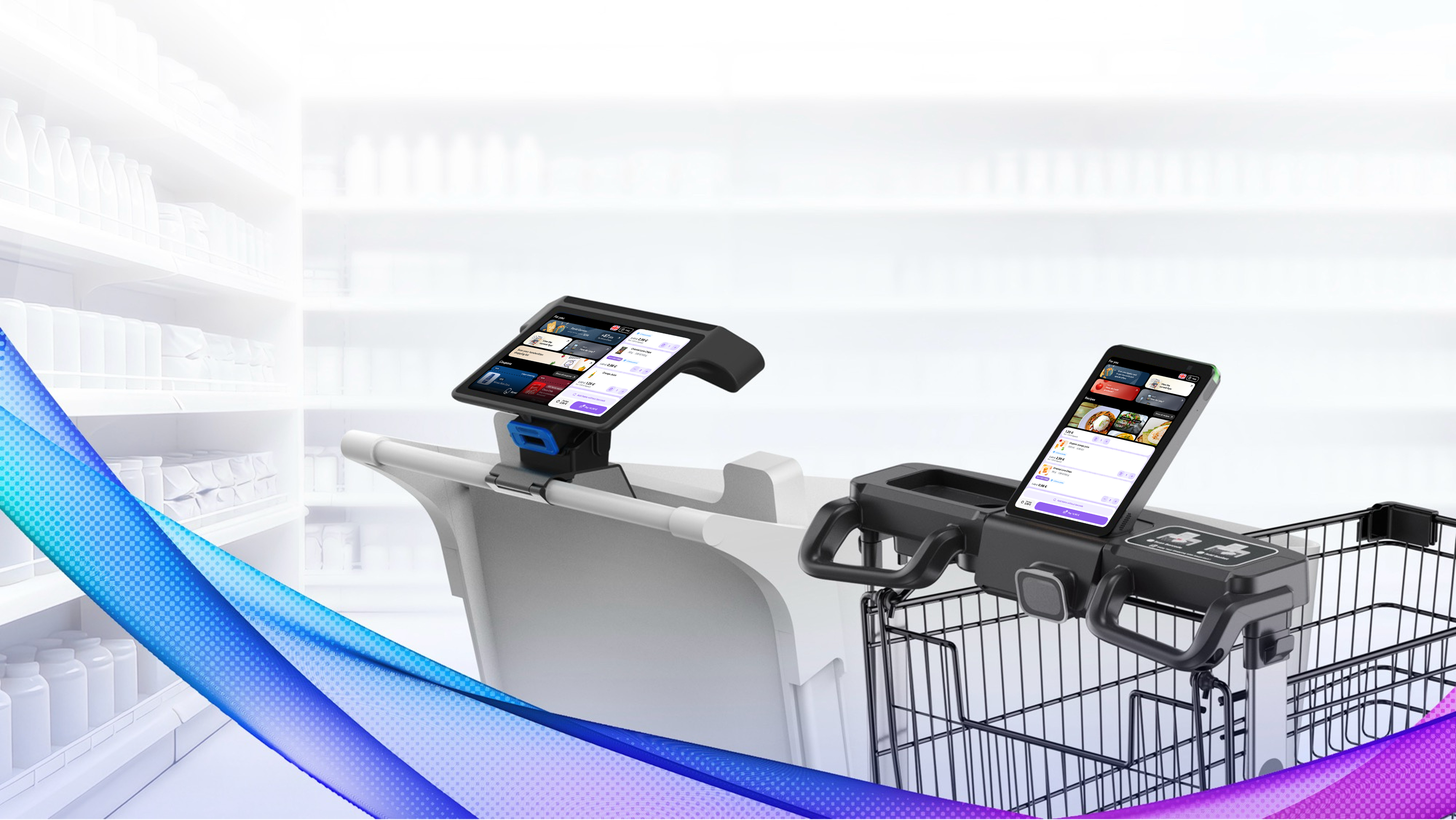
An integrated ESL system can help retailers coordinate approved shelf information with relevant pricing and promotion data used by other customer-facing systems. Retailers must still define which prices and offers apply to each channel and clearly explain any intentional differences.
Supporting Product-Location and Shelf Workflows
Electronic shelf labels create a digital association between a SKU and its assigned shelf position. This reference can help store associates locate products, complete replenishment tasks and respond to verified shelf exceptions with greater precision.
When ESLs are integrated with core retail and store systems, they can contribute to workflows that connect online availability information with store execution. Physical presence at the shelf must still be confirmed through complementary shelf-monitoring technologies or associate checks.
ESLs therefore support the execution of approved information and connected store workflows; they do not independently set prices, define cross-channel policies or observe physical shelf conditions. Outcomes still depend on accurate source data, appropriate integrations and clearly defined retail processes.
Making Shelf Information Easier to Find, Understand and Use
Operational consistency helps shoppers trust that the information they see is reliable. Trust is strengthened further when that information is easy to find, understand and use. By presenting concise shelf-level content and connecting shoppers with relevant digital resources, electronic shelf labels can support category navigation, product identification and more informed comparison.
Category Navigation
Color, icons, label templates and other visual cues can help shoppers distinguish between product groups, promotions or store zones. When applied consistently, these elements can make a category easier to scan and help shoppers locate relevant products more efficiently.
These visual cues should be used selectively. A clear hierarchy helps shoppers scan the shelf, while too many colors, messages or competing elements can make information harder to interpret.
Product Identification
Electronic shelf labels can display product names, key attributes or simple visual indicators that help shoppers identify the correct item. This can be particularly useful in categories where products have similar packaging, multiple variants or specifications that are difficult to distinguish at a glance.
Shelf information should remain concise and clearly associated with the corresponding product. The objective is to make product identification easier without overcrowding the limited display area.
Product Education
In categories that require more explanation, shelf-level digital information can help shoppers understand meaningful differences between products. Retailers may use ESLs to highlight selected features, certifications, compatibility information or usage guidance, complementing printed signage and the support provided by store associates.
The content should focus on details relevant to the purchase decision. It should complement mandatory product labeling, required disclosures, printed communication and more comprehensive product information.
QR-Based Information Journeys
A QR code displayed on an electronic shelf label can connect shoppers to information that does not fit on the label itself. Depending on the retailer’s digital experience, this may include ingredients, nutrition details, product origin, detailed specifications, usage guidance or related services.
The linked destination should be mobile-friendly, current and clearly matched to the product shown at the shelf. A QR code supports shopper trust only when the information behind it is useful, accurate and properly maintained.
How Retailers Can Measure the Impact
Retailers should evaluate ESL performance through operational measures closely connected to shelf execution and shopper friction. A pre-deployment baseline makes it easier to distinguish measurable changes from broader fluctuations in store performance.
Relevant measures include:
- Price-discrepancy reports: The number of reported differences between shelf and checkout prices
- Customer complaint rate: Complaints related to incorrect prices, expired promotions or unclear shelf information
- Promotion-execution rate: The proportion of approved promotions displayed correctly and on schedule
- Task-resolution time: The time required for associates to investigate and correct shelf-information exceptions
- On-shelf availability: Whether products are physically available in their assigned shelf positions when shoppers need them
Retailers should establish a baseline before deployment and compare results across representative stores, categories and operating conditions.
Other changes—including staffing levels, pricing policies, assortment adjustments and system upgrades—should be considered when interpreting the results.
Net Promoter Score and repeat-purchase behavior may also be monitored as broader customer indicators.
These broader indicators are influenced by many factors, including product selection, service, location, pricing strategy and overall brand experience. Any improvement should therefore be assessed alongside the operational measures most directly affected by the ESL deployment.
Conclusion
Shopper trust is built through consistent moments: a shelf price that matches at checkout, a promotion that works as communicated and product information that is easy to understand. Electronic shelf labels support these moments by distributing approved pricing, promotion and product information reliably across the shelf edge.
At Hanshow, our ESL platform is designed to integrate with retailers’ pricing, POS and core retail systems, helping maintain consistent shelf information at scale. QR-enabled product content, visual navigation cues and SKU-to-location mapping can further support a clearer shopping journey. Results still depend on accurate source data and sound retail policies, while the platform provides a reliable foundation for execution at the shelf edge.