As retailers evaluate electronic shelf labels (ESLs), practical questions often arise around cost, return on investment, system integration, pricing governance, battery performance, maintenance and security. These considerations are essential to building a deployment plan that fits the retailer’s operating environment.
However, common assumptions can make ESL technology appear either more limited or more complicated than it is. This article examines five frequent electronic shelf label myths and outlines what retailers should evaluate in practice.
Myth 1: ESL ROI Is Only About Label-Change Efficiency
Reality: The cost of an electronic shelf label deployment is not limited to the digital price tags themselves. A complete business case may include digital price tags, communication infrastructure, software, system integration, installation, training, maintenance and ongoing service. The total investment will rely on factors such as store size, SKU count, label specifications, deployment model and rollout scope.
Why the myth persists: Paper-label replacement is one of the most visible changes in an ESL deployment, so label-update efficiency is often the first benefit considered. However, evaluating ESL ROI only through the time required for routine price and promotion updates provides an incomplete picture.
Retailers can also examine how an ESL system may support:
- Better consistency between approved prices and shelf displays
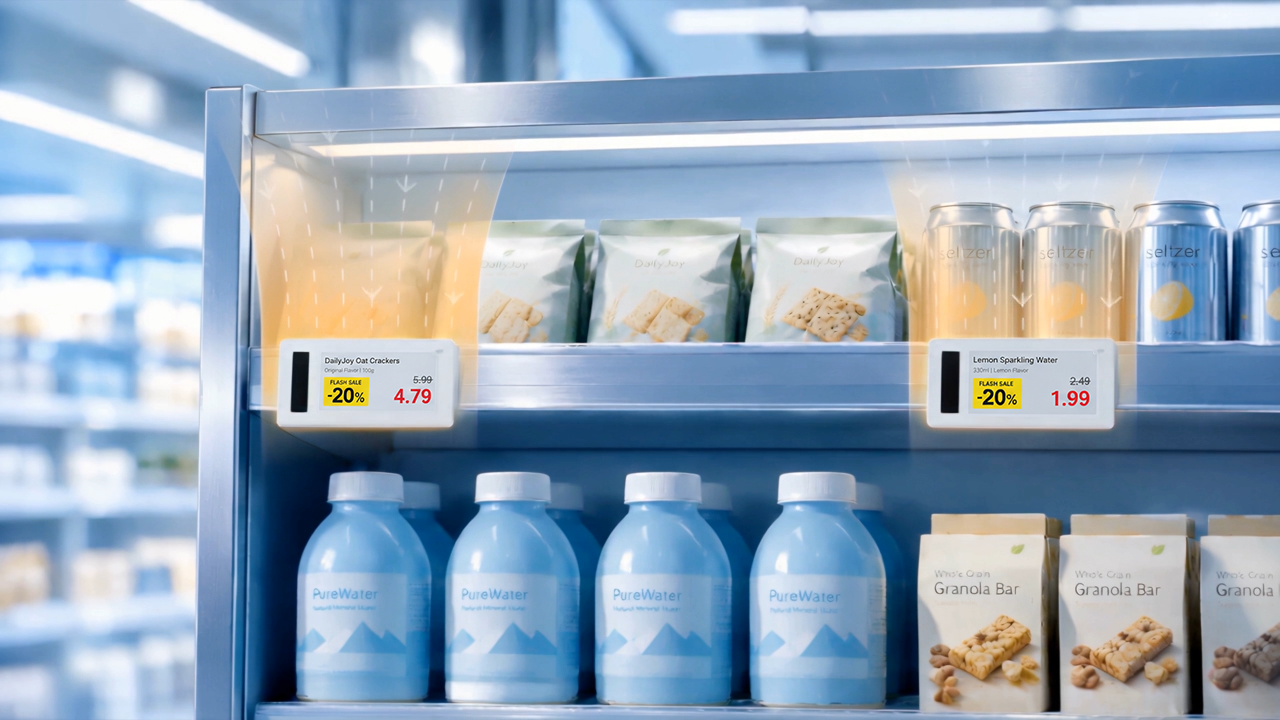
- Faster execution of scheduled promotions and markdowns
- More consistent label execution
- More efficient shelf and price audits
- Reduced consumption of paper, ink and printing supplies
- More capacity for associates to focus on replenishment, fulfillment and customer service
- Clearer product-location references for selected store workflows
What retailers should evaluate: A credible ROI model should use the retailer’s own baseline rather than relying only on general vendor estimates. Useful inputs may include weekly label-change volume, time required per update, printing costs, shelf-to-checkout discrepancy rates, promotion-execution time and audit workload. Retailers can then compare these figures with results from a representative ESL pilot.
The final return will depend on deployment scope, integration quality, store processes and user adoption. ESLs can reduce certain operating costs and support more consistent execution, but they should not be presented as guaranteeing ROI.
Myth 2: ESLs Require Retailers to Replace Their Core Systems
Reality: Electronic shelf labels are not designed to replace a retailer’s POS, ERP, pricing or other core business platforms. These applications continue to manage authoritative business data and core retail processes.
Why replacement is unnecessary: An ESL system generally operates as a connected shelf-level layer. It receives approved pricing or product information from relevant retail applications and distributes that information to the correct digital price tags. Depending on the solution and integration design, the platform may also provide device management, update status and exception reporting.
Implementation therefore focuses on connecting the ESL platform with the retailer’s existing technology environment rather than rebuilding that environment around the labels.
What retailers should evaluate: Keep the technical review focused on four areas:
- Systems of record and data scope: which existing application remains authoritative, and which approved data must flow to the ESL layer
- Association and update status: how SKUs, labels and shelf locations are linked, and how failed or delayed updates are surfaced
- Approval and ownership: who approves price or product updates and who resolves device, data and workflow exceptions
- Security and lifecycle support: how identity and access, data and interface protection, authorized software updates, logging, vulnerability handling and incident support are managed [2]
These controls should be proportionate to the deployment model and should define the responsibility shared by the retailer, integrator and supplier.
A representative pilot should validate data flow, permissions, update status and exception handling, not only whether a label can display a price.
The integration effort will vary with data quality, available interfaces, deployment model and the number of legacy systems in scope.
The objective is to confirm that the ESL layer can work with existing systems and controls without changing which applications remain authoritative for pricing, product and other core business data.
A phased rollout can then be sequenced around operational readiness rather than around a wholesale replacement of core retail systems.
Myth 3: Electronic Shelf Labels Are Only for Large Supermarkets
Reality: Large supermarkets are a familiar ESL use case because they often manage high SKU counts and frequent price or promotion changes. However, store size alone does not determine whether electronic shelf labels are suitable.
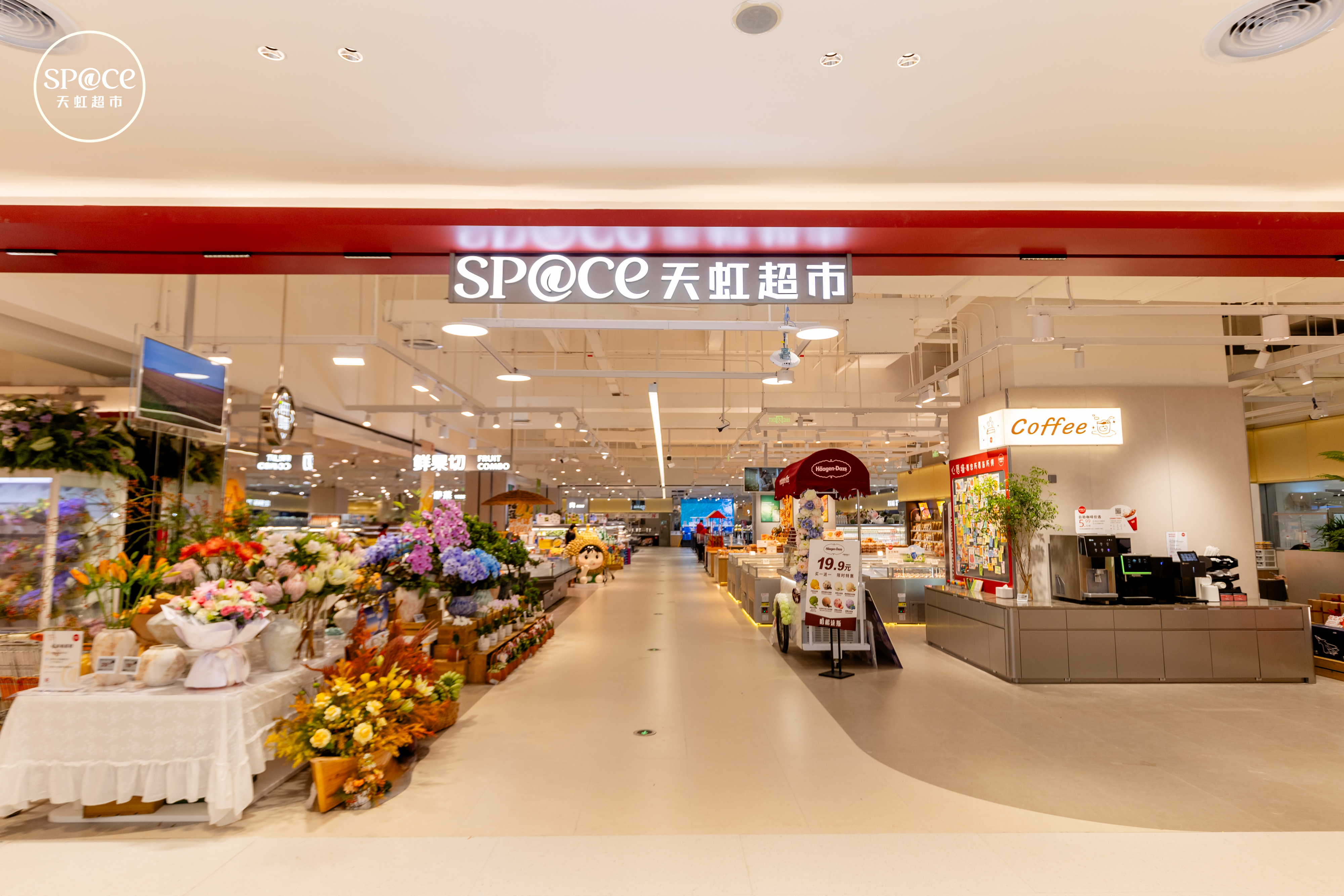
E-paper ESL technology is used across multiple retail categories, including grocery, pharmacies, electronics, department stores, cosmetics and other specialized formats. The more useful question is whether the store’s operating requirements justify digitizing shelf updates.
What retailers should evaluate:
- The number of SKUs displayed in each store
- How frequently prices, promotions or product details change
- The time and coordination required to maintain paper labels
- The cost and frequency of shelf-information discrepancies
- The need for coordinated updates across multiple locations
- The value of LED guidance, QR codes or additional product information
- The readiness of product, pricing and store systems for integration
- The organization’s ability to support installation and ongoing maintenance
A smaller store with frequent price changes and limited associate capacity may identify a relevant use case. A larger store with inconsistent data or unclear implementation ownership may need to address those issues before scaling.
Retailers do not have to begin with a full-chain deployment. A controlled pilot can focus on selected stores, departments or workflows. The objective is to determine whether the technology addresses a defined operational problem under representative conditions.
ESLs are therefore not limited to a particular store size. Their suitability depends on operating complexity, update frequency, expected use cases and implementation readiness.
Myth 4: ESLs Decide When and How Prices Change
Reality: Electronic shelf labels do not decide what a product should cost or when a price should change. Pricing decisions remain governed by the retailer’s pricing systems, policies and approval processes. ESLs display approved information received from those systems.
Why the myth persists: Concerns about rapid or shopper-specific price changes have led some people to associate digital price tags primarily with dynamic pricing. In grocery retail, however, common ESL use cases include maintaining price accuracy, implementing scheduled promotions, supporting markdowns and presenting product information.
FMI states that grocers do not use digital shelf labels to set prices or enable surveillance-based pricing. Its industry materials position the technology around pricing accuracy, transparency, promotions and store operations. [1]
What retailers should evaluate: The distinction between pricing decisions and shelf-level execution is essential. An ESL system can distribute an approved price change across relevant shelf locations, while the retailer remains responsible for determining:
- Who can authorize a price change
- When approved updates may occur
- How shelf and checkout prices remain aligned
- How promotions and markdowns are communicated
- How price changes comply with applicable requirements
- How customers receive clear and consistent information
Retailers should explain how digital price tags are used in their stores and maintain appropriate controls over pricing data and update permissions. This can help address shopper concerns without presenting dynamic pricing as the central purpose of ESL technology.
Myth 5: Battery Life and Maintenance Are Difficult to Manage
Reality: Many electronic shelf labels use e-paper displays. E-paper retains the displayed image without requiring continuous power and primarily consumes energy when content is updated. This operating behavior helps support low-power ESL applications. [3]
What retailers should evaluate: Battery-life expectations still require careful evaluation. Actual performance can vary according to:
- Label model and display size
- Battery type and capacity
- Frequency of price or content updates
- Communication conditions
- LED usage
- Temperature and store environment
- Device configuration and maintenance practices
Retailers should ask vendors to provide battery assumptions for the exact devices, update patterns and environments included in the proposed rollout. Labels used in freezers, high-update areas or workflows with frequent LED activation may have different maintenance requirements from standard labels in center aisles.
Maintenance planning should also cover more than battery replacement. Retailers need a process for identifying damaged labels, failed updates, communication issues and incorrect SKU-label associations. Clear device-status reporting, spare-device procedures, service responsibilities and lifecycle planning can make maintenance more predictable.
Battery life and maintenance are therefore manageable considerations, but the outcome depends on product selection, operating conditions and support processes.
Electronic Shelf Label Buying Checklist
Before selecting an ESL supplier or expanding beyond a pilot, retailers should ask the following questions:
- What is included in the cost estimate?
- Which assumptions support the projected ESL ROI?
- How will the pilot be structured?
- How will the ESL system integrate with existing applications?
- How are access and security managed?
- How reliable are label updates?
- What battery-life assumptions apply to the proposed devices?
- How will devices be maintained throughout their lifecycle?
- What implementation and service support is available?
- Which pilot KPIs will determine whether the rollout should continue?
Answering these questions can help retailers evaluate electronic shelf label solutions against their actual operating needs.
Conclusion
The most useful way to assess common ESL myths is to convert each one into a testable buying question. Retailers should compare total cost against their own operating baseline, preserve existing systems of record, match the deployment to store needs, separate pricing decisions from shelf execution, and validate battery and maintenance assumptions under representative conditions. Security should be evaluated as a lifecycle requirement for connected devices and platforms, not as a one-time feature check.
References
- FMI, “Setting the Record Straight on Digital Shelf Labels,” 7 April 2026. https://www.fmi.org/blog/view/fmi-blog/2026/04/07/setting-the-record-straight-on-electronic-shelf-labels
- NIST, NISTIR 8259 Series: IoT Device Cybersecurity Capability and Supporting Capability Baselines. https://www.nist.gov/itl/applied-cybersecurity/nist-cybersecurity-iot-program/nistir-8259-series
- E Ink, Electronic Shelf Label Applications. https://www.eink.com/application/detail/ESL
- FMI, Digital Shelf Labels: Improving Accuracy, Reducing Waste and Supporting Modern Grocery Retail. https://www.fmi.org/industry-topics/fact-sheet/electronic-shelf-labels--improving-accuracy--reducing-waste-and-supporting-modern-grocery-retail