


Large retailers have already adopted electronic shelf labels to streamline pricing, reduce waste, and enhance the overall shopper experience.
However, a misconception in the retail industry is that ESL solutions are only suitable for retail giants.
In reality, small and medium grocery stores often operating with tighter margins and limited staff can benefit even more from digital price tags.
How Small Grocery Stores Typically Handle Price Changes
Let’s take a closer look at how price changes are traditionally handled in small and medium-sized grocery store. Most major price updates and promotions are heavily concentrated right before busy weekends, holidays, or seasonal transitions.
This manual process requires a dedicated team of two to three employees physically walking the store aisles, printing, sorting, and swapping out hundreds of paper tags. In many cases, this process can take half a day of prime working time.
During peak periods, store managers often rely on overtime to complete updates before morning hours. This places unnecessary pressure on grocery store operations.
The Hidden Costs of Manual Pricing
Manual price updates create several hidden challenges that directly impact profitability:
1. Rising Labor Costs
Retailers often need to hire temporary staff or pay overtime to complete price updates on time.
2. High Staff Turnover
Replacing paper labels is repetitive and low-value work, which can negatively impact employee morale and retention.
3. Pricing Errors
Manual processes increase the likelihood of mistakes, such as incorrect labels or missed updates, which can damage customer trust.
4. Compliance Risks
When the price displayed on the shelf does not match the price scanned at checkout, grocery stores may face compliance issues, customer disputes, and even regulatory fines.
Why Manual Pricing Limits Growth
While manual pricing may seem flexible in the short term, it becomes a bottleneck as stores scale.
It ties valuable staff resources to repetitive tasks instead of customer-facing activities.In today’s competitive retail environment, employees should focus on customer service, shelf management, and fresh product handling – not swapping paper tags.
How Electronic Shelf Labels Drive Retail Efficiency
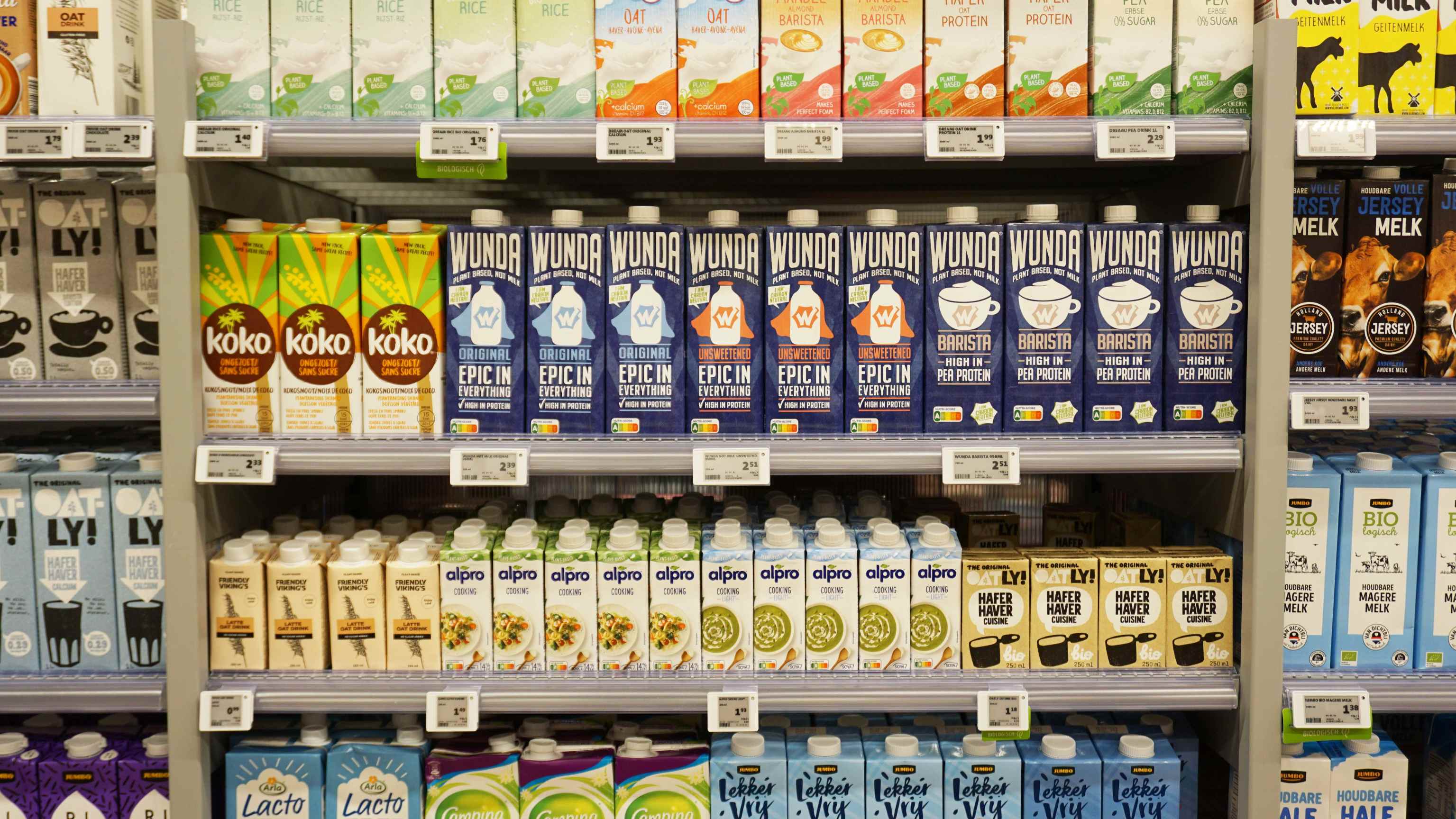
This is exactly where the immense value of the electronic shelf label shines for small and medium grocery stores. By digitizing the pricing process, retailers can instantly and securely update prices across the entire sales floor from a central management system.
This digital transformation largely reduces labor costs, eliminates manual pricing errors and ensures consistent alignment between shelf prices and the point-of-sale checkout system.
With pricing updates no longer a burden, grocers are also more willing to roll out frequent markdowns, flash sales, and targeted promotions. This creates a powerful win-win scenario: less waste and higher sales, and more timely savings for shoppers on everyday purchases.
Hanshow ESL: Nebular and Lumina Series
For grocery stores ready to modernize their operations, Hanshow offers cutting-edge solutions perfectly tailored to your specific needs.
The Hanshow Nebular Series digital price tags contain highly durable e-paper screens with a proprietary integrated circuit. Available in multiple versatile sizes ranging from 1.54 inches to 7.5 inches, Nebular Series electronic shelf labels boast an impressive IP68 water and dust protection rating. They are perfectly suited for both ambient dry grocery aisles and freezing cold cabinets operating at -25°C. With an industry-leading battery life lasting up to 10 years, these digital price tags provide incredible long-term reliability as well.
For specific store zones that require a dynamic, eye-catching visual punch—such as fresh food displays or premium endcaps—the Hanshow Lumina Series is the perfect, vibrant upgrade. Featuring a stunning, full-color IPS LCD screen, the Lumina Series electronic shelf labels connect seamlessly via the store’s Wi-Fi network and are electrically powered. With a durable IP65 protection rating and the ability to display high-definition promotional videos and vivid retail templates, it beautifully captivates shoppers while keeping pricing perfectly accurate.
Conclusion
Electronic shelf labels are no longer a luxury reserved for large retailers.
For small and medium grocery stores, ESL represents a practical and strategic investment that improves efficiency, protects margins, and enables scalable growth.
With the right ESL partner, even smaller retailers can compete with larger chains and build smarter, more resilient store operations.