



According to Eurostat, labor costs across the European Union have risen steadily over the past decade, with retail wages increasing in response to inflation and labor shortages. Several EU member states have also introduced minimum wage increases in recent years.
Against this backdrop, continuing to assign employees to repetitive, low-value tasks puts direct pressure on supermarket profitability.
What Are Low-Value, Repetitive Tasks in Supermarkets
Low-value, repetitive tasks are activities that consume labor without contributing meaningfully to customer experience or revenue growth. In supermarkets, these tasks typically include manual price updates, manual inventory checks, and the constant printing, posting, and removal of paper promotional notices.
These tasks tie up valuable staff time that could be better spent on customer service and revenue-generating activities.
The True Cost of Manual Price Changes
Consider a typical supermarket scenario:
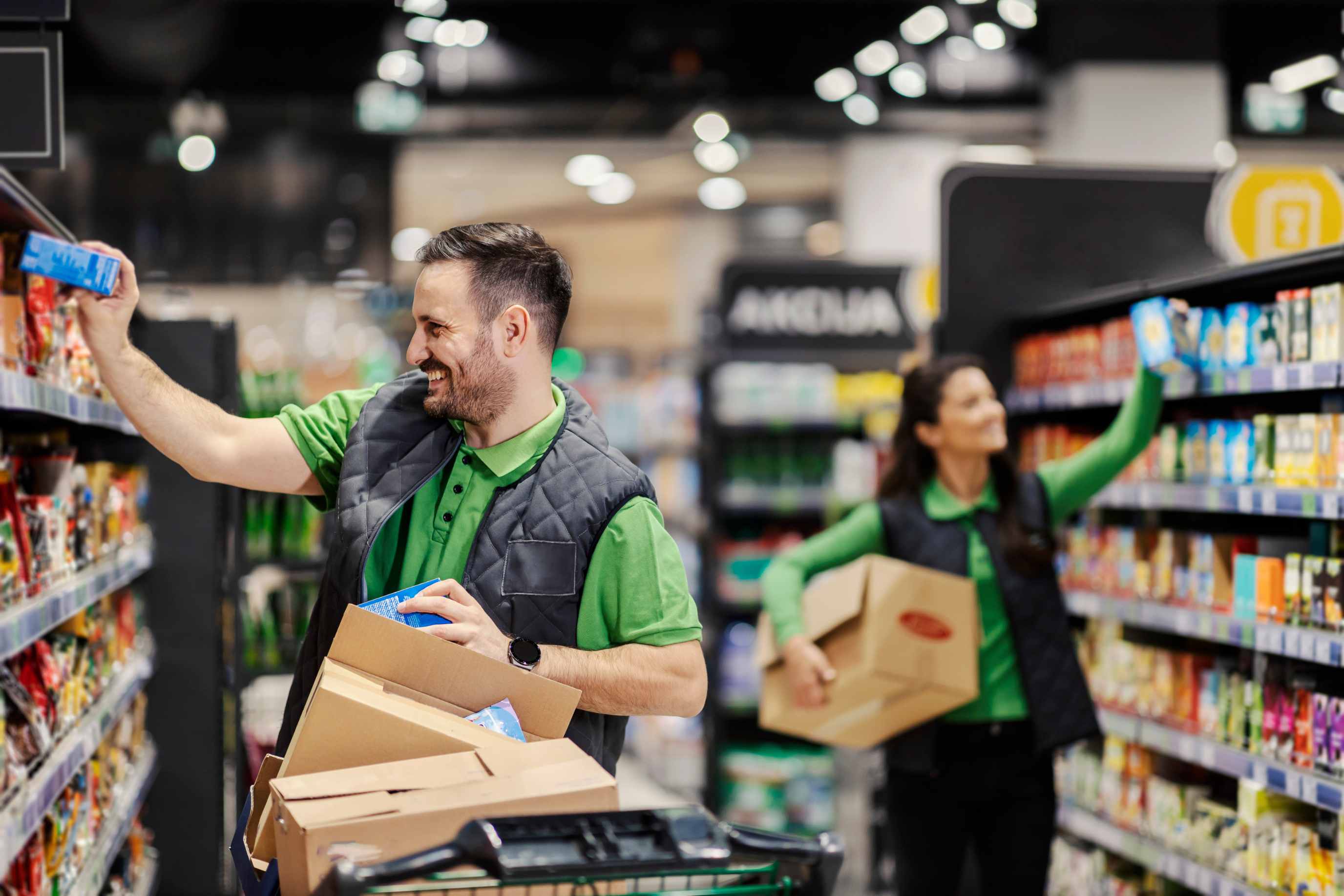
Three employees spend four hours completing weekly price updates - replacing labels and verifying prices. The task involves locating correct products on the shelf, removing old paper tags, applying new ones, and carefully verifying prices against the point-of-sale system.
That equates to 12 hours of labor.
If we calculate this using a baseline frontline retail wage of 15 euros per hour in Western Europe, a single price-change session costs the store 180 euros in labor alone. Over the course of a year, this weekly routine results in an annual cost of 9,360 euros per store.
And this is only a baseline estimate. It excludes the additional labor required for seasonal promotions, emergency price drops, new product rollouts, and the inevitable time spent correcting errors on mislabeled items. More importantly, these costs are largely avoidable.
How Electronic Shelf Labels Help Protect Profit Margins
In this era of rising labor costs, reducing repetitive manual work is strategic.
This is where the electronic shelf labels deliver real impact. By deploying a digital price tag solution, retailers can automate price and promotion updates across the entire store. Instead of sending staff into the aisles with rolls of paper labels, a modern digital price tag system synchronizes with the store’s central pricing database.
With the manual tagging eliminated, management can make precise, real-time price changes while reallocating staff to high-value tasks that actually drive revenue, such as customer service, merchandising, and online order fulfillment.
Hanshow's Digital Retail Solutions
As a global leader in digital retail solutions, Hanshow offers a comprehensive in-store ecosystem designed to help supermarkets reduce operational costs and improve efficiency.
All-Star platform
At the core of this ecosystem is the Hanshow All-Star platform — a centralized system for managing connected in-store devices. Through the All-Star platform, supermarkets can roll out batch price updates across the entire store, ensuring fast and highly accurate price changes.
The platform also supports smarter inventory management. For example, it can alert staff to near-expiry products, reducing the need for time-consuming manual shelf checks and helping stores minimize waste.
Hanshow Electronic Shelf Labels
- Lumina Series: Featuring high-definition LCD screens, the Lumina Series delivers vibrant colors and dynamic video playback. This makes it an ideal solution for fresh food departments and high-attention product categories. By displaying rich multimedia promotional content, the Lumina Series completely eliminates the need to repeatedly print, post, and remove paper marketing materials.
- Nebular Series: Engineered for ultimate durability, the Nebular Series electronic shelf labels feature a sleek unibody design and an industry-leading IP68 protection rating. The freezer models function well in low-temperature environments down to 0°C. This makes these digital price tags the reliable choice for a supermarket’s refrigerated zones and cold display areas.
- Polaris Series: Designed to maximize visual impact, the Polaris Series electronic shelf labels boast a high screen-to-body ratio and an innovative multicolor display format. Beyond its visual appeal, it features an interactive seven-color LED flashing light. This geolocation feature allows the tag to light up, guiding employees to the correct product. This is highly effective for streamlining inventory replenishment and rapid order picking, saving even more labor time.
Conclusion
As labor costs continue to rise, supermarkets must rethink how labor is allocated across operations.
By embracing Hanshow’s advanced electronic shelf label technology and intelligent management platforms, retailers can reduce unnecessary repetitive tasks. With the right digital foundation, supermarkets can operate smarter, scale faster, and remain competitive in today’s retail environment.