BOPIS (Buy Online, Pick Up In Store) has become a key omnichannel fulfillment model, connecting online ordering with store-level execution. It allows retailers to use physical stores as fulfillment hubs while giving customers faster and more flexible pickup options. To meet these expectations, each order must move efficiently from confirmation to pickup without disrupting daily store operations.
The Operational Challenges of Manual Picking
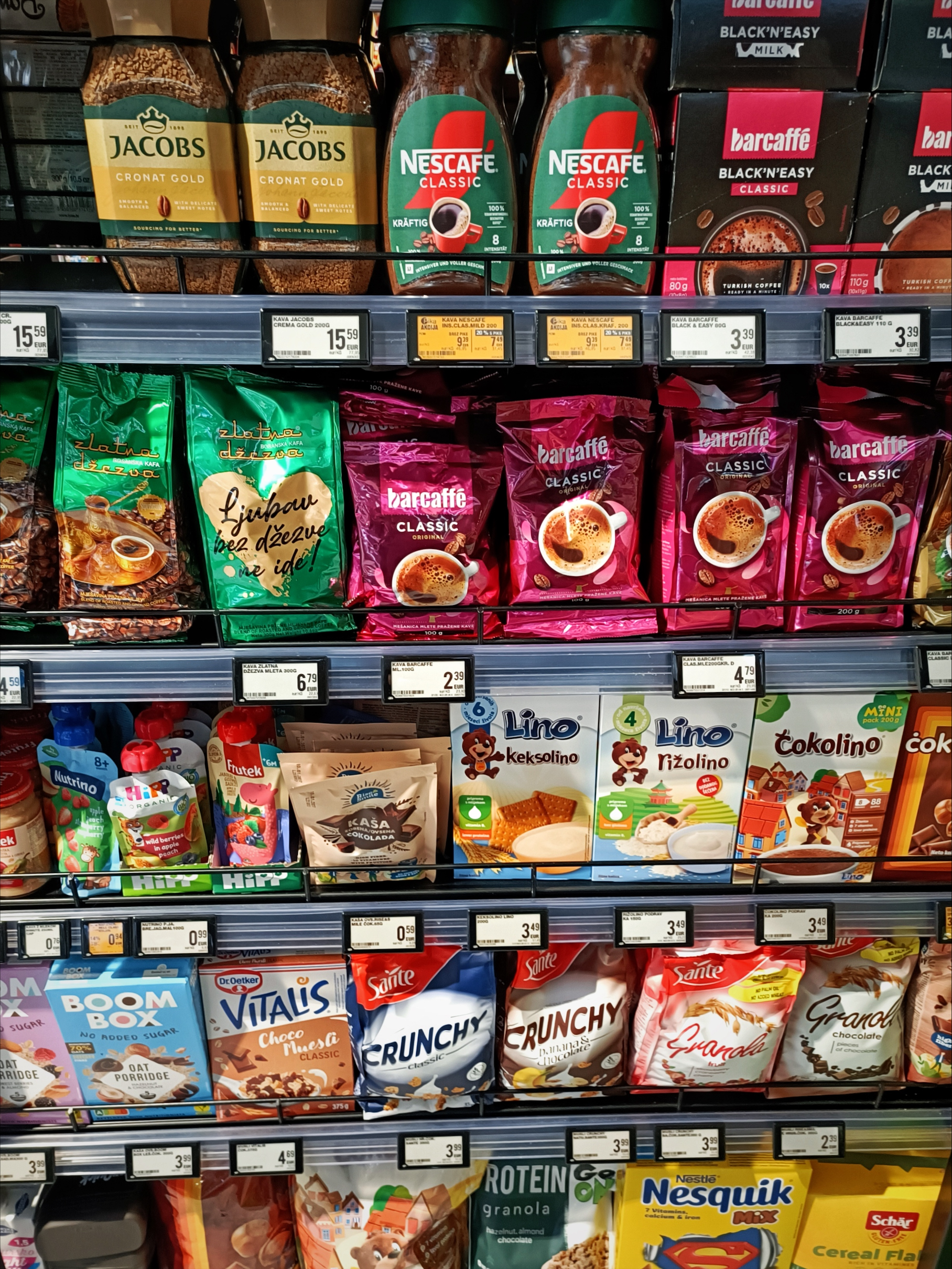
Many retailers still rely on manual picking: associates receive an order list on a handheld device or printed sheet and walk through the store to locate each item. As order volumes rise, this approach creates several predictable challenges:
- Finding the right item takes time. Associates may spend several minutes searching for a single product, particularly in large-format stores or departments with similar-looking SKUs. Misplaced products can add further delays, making it harder to meet short fulfillment windows and limiting the number of orders a store can prepare per shift.
- Routes are rarely efficient. Without location-based sequencing, associates may backtrack or revisit the same aisle several times for one order. Inefficient routes increase walking time, create unnecessary physical strain, and limit daily order throughput.
- Staff training adds another layer of difficulty. Associates may need to balance online-order picking with serving in-store customers. Without clear guidance, divided attention can lead to slower service, missed items, or incorrect substitutions.
What Makes a Good Picking Workflow
Once the common failure points are clear, the traits of a strong picking workflow stand out. Efficient in-store fulfillment depends on accurate product locations, logical routing, current inventory visibility, balanced task assignment, and a simple confirmation step.
- Accurate location data. Every item needs a clear, current shelf position that matches physical reality, not a static planogram from months ago.Outdated or inaccurate location data forces associates to search or guess, driving up pick time and leading to unnecessary substitutions, cancellations, and lost sales.
- A logical route. Orders should be sequenced so that an associate moves through the store efficiently rather than crossing back and forth between aisles. A well-planned route can reduce pick time and allow each associate to complete more orders.
- Current inventory visibility. Associates need a reliable view of whether an item is available when picking begins. Inaccurate inventory can lead to unnecessary searches, substitutions, cancellations, and a weaker customer experience.
- Reasonable task assignment. Orders should be batched and distributed based on associate availability and store zones, so no single employee is overloaded while others wait.Poor task distribution leads to uneven workloads, missed SLAs on some orders, and higher associate burnout, ultimately reducing the store’s total fulfillment capacity.
- A simple confirmation step.The system should make it easy to verify the correct item was picked, reducing the chance of substitution errors reaching the customer. Weak verification causes wrong-item or substitution errors to reach customers, driving refunds, re-delivery costs, and customer churn.
These five elements form the foundation that any efficiency strategy or technology investment should support. A retailer chasing speed without first fixing accuracy will simply generate errors faster.
Strategies to Improve Picking Efficiency
1. Optimize the Pick Path
Group items in an order by aisle and shelf sequence so associates follow a single continuous route through the store rather than a random order dictated by how items appear on the original list.
2. Batch Similar Orders
Combine multiple pickup orders that share overlapping items or nearby locations into one trip, cutting down on repeat visits to the same section.
3. Redesign Store Zones for Fulfillment
Some retailers set aside specific aisles, backroom areas, or shelf sections closest to the pickup counter for high-frequency BOPIS items, which shortens the average walk distance.
4. Provide Focused Training
Give associates a clear standard process for how to handle a pickup order from start to finish, including how to confirm item accuracy and where to stage completed orders.
5. Set Clear Fulfillment Benchmarks
Track average pick time, order accuracy, substitutions, and completion time. These indicators can help identify process bottlenecks and support staffing decisions during peak pickup periods.
Technology Trends in In-Store Fulfillment
As BOPIS continues to grow, retailers increasingly combine operational improvements with digital technologies that simplify store fulfillment.
Automation now supports many fulfillment activities, including task assignment, route optimization, and inventory synchronization. Rather than replacing store associates, these tools reduce repetitive work and allow employees to focus on customer service and efficient order preparation.
Accurate, current inventory visibility has also become a priority. Research cited in the original source attributes a share of BOPIS failures to stock inaccuracies and highlights the difficulty of managing high-volume pickup periods without connected order-management capabilities. [1]
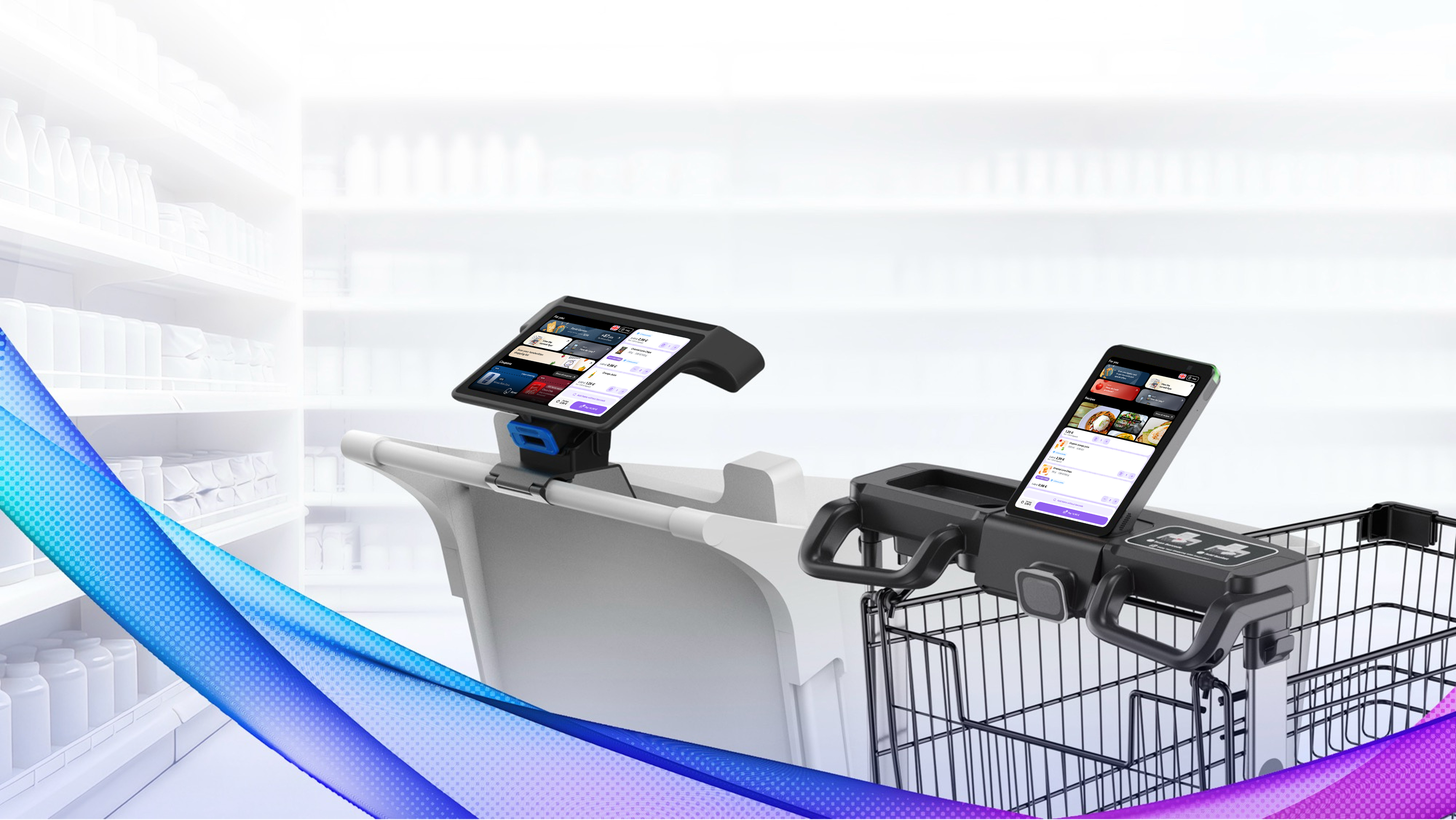
Digital store navigation represents another important trend. Instead of relying solely on handheld maps or printed aisle numbers, visual guidance helps associates identify products directly on store shelves. This approach reduces search time, particularly for new employees or stores with large assortments.
Artificial intelligence can also support fulfillment through workload forecasting and task scheduling. By analyzing order patterns and associate availability, retailers can allocate resources more effectively throughout the day, including during periods affected by cancellations or no-shows. [1]
Together, these technologies create a more connected fulfillment environment where inventory, store operations, and associate workflows remain closely aligned.
How ESLs Support Faster Picking Operations
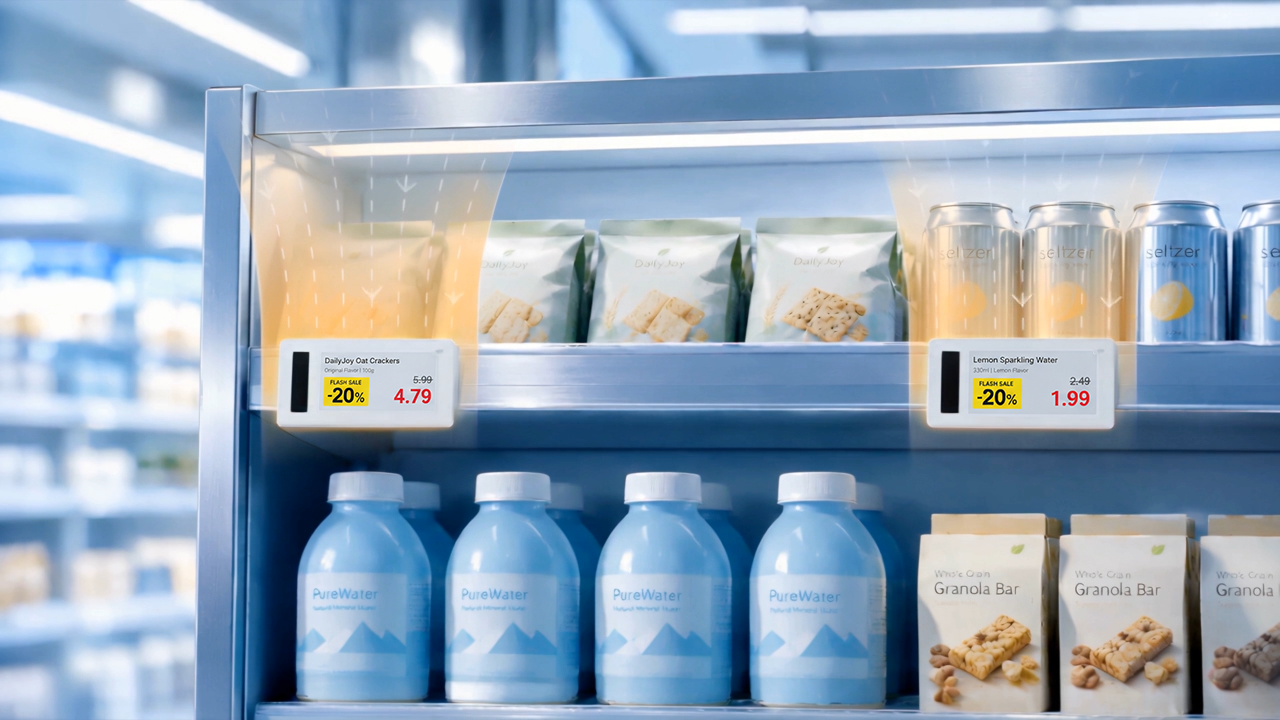
An electronic shelf label creates a digital link between a SKU and its physical shelf position. That connection makes ESL infrastructure useful for order fulfillment as well as pricing.
In practice, the store system can trigger the LED on the electronic shelf label linked to an item in the pickup order. The visual signal helps the associate identify the correct shelf position without relying only on visual scanning or a static planogram. This approach is commonly known as pick-to-light or shelf-guided picking.
Hanshow’s ESL portfolio supports this type of workflow. The Nebular series includes seven-color LED flashing across the range, which can support route mapping and pick-to-light guidance. Depending on model and usage conditions, Nebular labels offer battery life of 10 to 15 years based on two updates per day, IP68 protection, and a profile as slim as 7.8 mm.
If your team is exploring ways to improve in-store fulfillment, contact Hanshow to discuss how shelf-guided picking could fit your store layout, order volume, and existing systems.
Reference
- https://www.marketgrowthreports.com/market-reports/buy-online-pick-up-in-store-bopis-market-113124