As retailers accelerate digital transformation initiatives, many are looking beyond traditional reporting tools to improve store execution, shelf visibility, and operational efficiency.
Retailers today have more data than ever before. Sales reports, inventory records, loyalty systems, traffic analytics, promotion dashboards, and store operation tools all help describe performance. But many retail teams still face the same question: what should we do next?
A sales report may show that one store underperformed, but it may not explain whether the cause was poor shelf execution, out-of-shelf conditions, weak promotion visibility, bad product placement, or slow staff response. Traditional BI can tell retailers what happened. It often struggles to show why it happened and how to correct it in the store.
That’s why the next stage of retail digitalization is not just about data collection— it is about turning data into action. The value for retailers planning for electronic shelf labels is not limited to price updates only. A modern electronic shelf label system should connect shelf data to store execution. A digital price tag is no longer just a display device. It can be part of a much more systematic operational workflow to ensure visibility and productivity, task management and better execution. Hanshow’s smart shelf approach can be understood through four connected stages: Perception - Analysis - Decision - Execution.
From Visibility to Execution
Many retailers have invested in tools for visibility. They can see sales and inventory levels, campaign results, and customer traffic. But visibility alone does not automatically improve store execution.
A store manager may know that a category is underperforming but not know whether the issue is caused by missing facings, incorrect shelf placement, delayed replenishment, or poor promotion execution. A headquarters team may know that a campaign failed in certain stores but not know whether the promotion was actually displayed as planned.
The problem is not always a lack of data. The problem is that data is often disconnected from physical store conditions.
Shelf data is especially important because the shelf is where retail strategy meets customer decision-making. If shelf conditions are not visible, measurable, and actionable, retailers may continue to make decisions based on delayed or incomplete signals.
This is why shelf-level data must move beyond reporting. It needs to be part of the operational process.
Why Store Execution Matters
Even the best pricing, promotion, and merchandising strategies create little value if they are not executed consistently at store level. While headquarters teams focus on planning, shoppers ultimately experience retail strategy on the shelf. This makes store execution one of the most important links between business strategy and customer experience.
Stage 1: Perception – Understanding What Is Happening on the Shelf
Now is the first step: perception. Retailers need to be able to understand what is going on in the store, particularly in the shelf space. This includes questions such as:
-
- Is the product in the right place?
- Is the promotion displayed correctly?
- Why is there no shelf in the room?
- Has the price or promotion message been updated?
- Is the store following the intended merchandising plan?
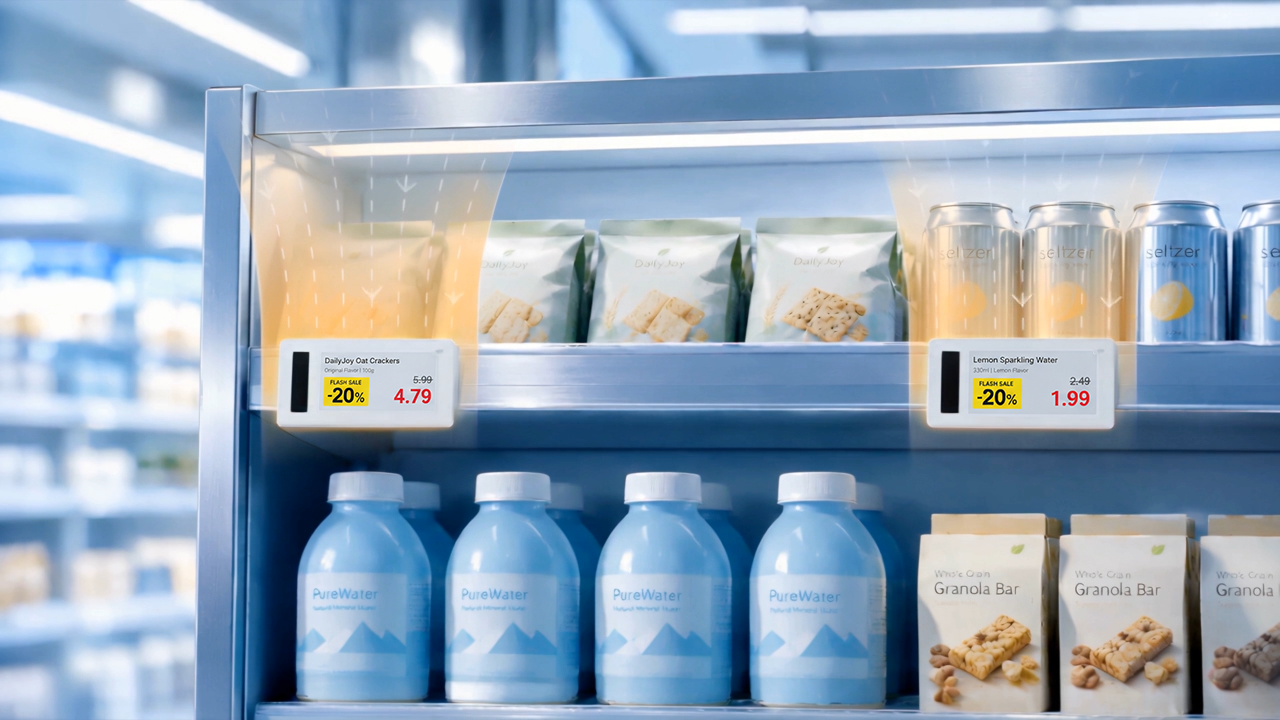
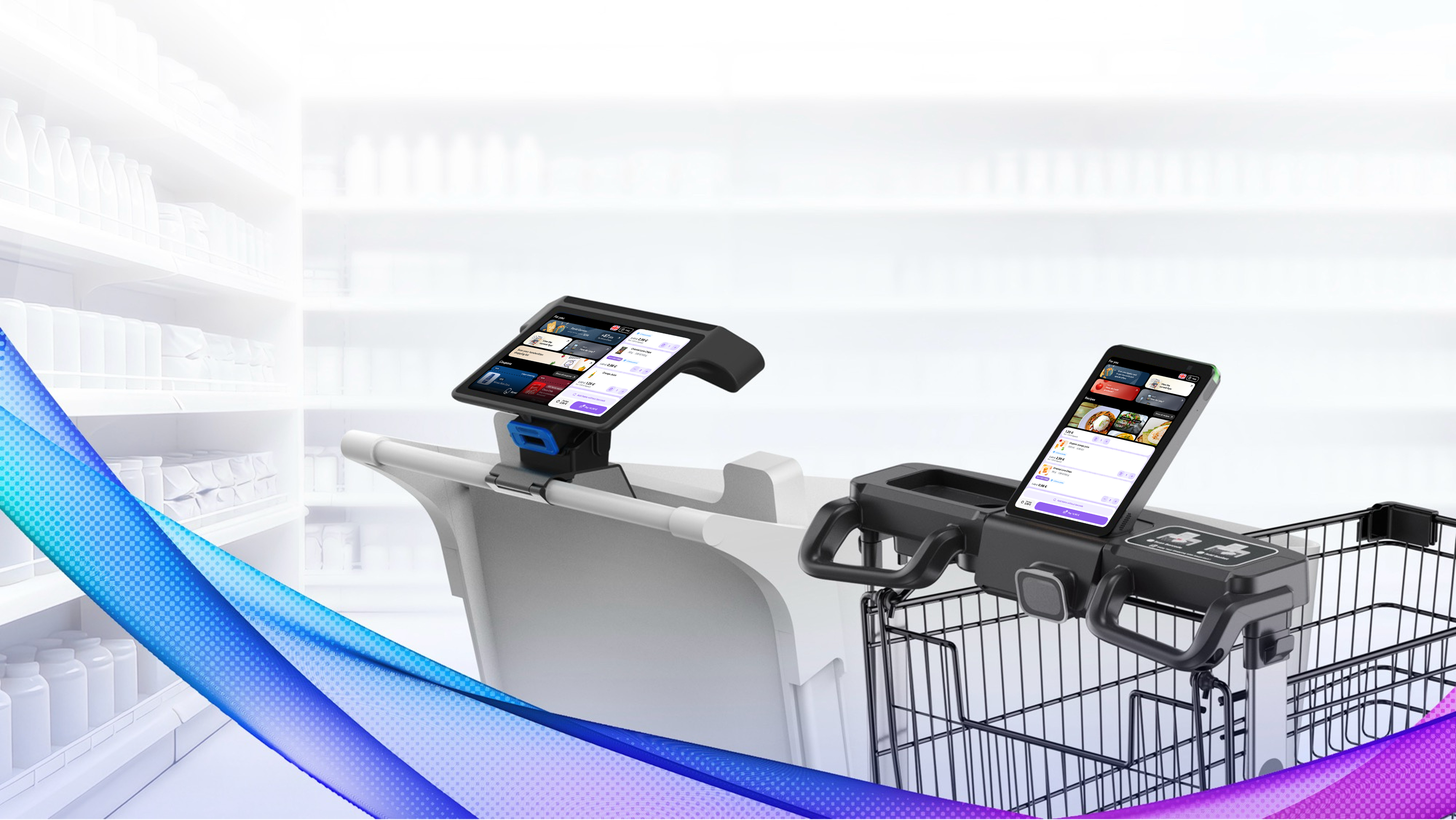
Hanshow NexShelf supports this perception layer through an intelligent shelf solution that integrates Nebular Ultra electronic shelf labels, N5 AI Camera, and platform capabilities. Within this solution, shelf-edge devices and sensing technologies help retailers build a clearer understanding of real shelf conditions.
For retailers, this changes the role of electronic shelf labels. They are no longer only tools for replacing paper tags. When connected to a smart shelf system, electronic shelf labels become part of the data entry point for store execution.
This is also where the difference between a basic digital price tag and a smart shelf infrastructure becomes clear. A simple digital price tag displays pricing information. An intelligent shelf solution provides a broader operational context, including product location, promotion status, shelf conditions, and execution-related insights.
Stage 2: Analysis – Understanding What the Data Means
Once shelf data is collected, the analysis of shelf data follows. Retailers do not require more raw data without context. They need to understand what the shelf data means for store performance.
This is where retailers begin to transform shelf data into actionable insights that support faster and more informed operational decisions.
For example:
-
- If a product is missing from its assigned shelf position, how long has the issue existed?
- If a promotion is not executed correctly, which stores are affected?
- If a product is placed in the wrong position, does it affect category performance?
- If one store is better than another, is the difference related to layout, shelf execution, traffic, or replenishment?
Traditional BI systems are often limited because they mainly analyze historical results. They may show that sales decreased, but they do not always connect the result with the physical shelf condition that caused the problem.
With real-time shelf visibility, analysis can become more operational. The shelf issues can be measured on a duration, frequency, location, and business impact basis. So retailers can concentrate on the things that matter most.
For example, a short shelf problem with a low-volume item may not be as urgent as a missing promotional item during peak shopping times. By putting shelf data in context, retailers can move from general observation to tailored operational judgment.
Stage 3: Decision – Determining the Right Action
Retailers need to decide what to do next after analysis; retailers need to figure out what should happen now. Not every shelf issue requires the same response. Some need replenishment. Some need a rework of product placement. Some require headquarters to update the planogram or to evaluate store execution quality. With a connected shelf management platform, retailers can transform shelf insights into prioritized operational actions. It’ll help identify first what issues should be addressed, which store team should handle them, and what kind of action is required. And that is when operational efficiency is of great importance. The retail team lost time because they don’t know when to act first. They may walk the aisles for hours to check the shelves manually, or respond after the customer complaint. And with more shelf visibility, work can be more targeted and more focused. For store managers, that means better staff allocation. It means better operations monitoring for headquarters. And for category teams, it means better shelf performance. And for operations teams, it means fewer blind spots between strategy and execution.
Stage 4: Execution— Closing the loop in Store Operations
Execution is the last and most important stage. Data only creates value if it changes what happens in the store. In a smart shelf environment, execution can include:
-
- Assigning replenishment tasks to store associates.
- Correcting product placement.
- Updating promotional messages.
- Adjusting shelf displays.
- Synchronizing price changes.
- Tracking whether tasks are completed.
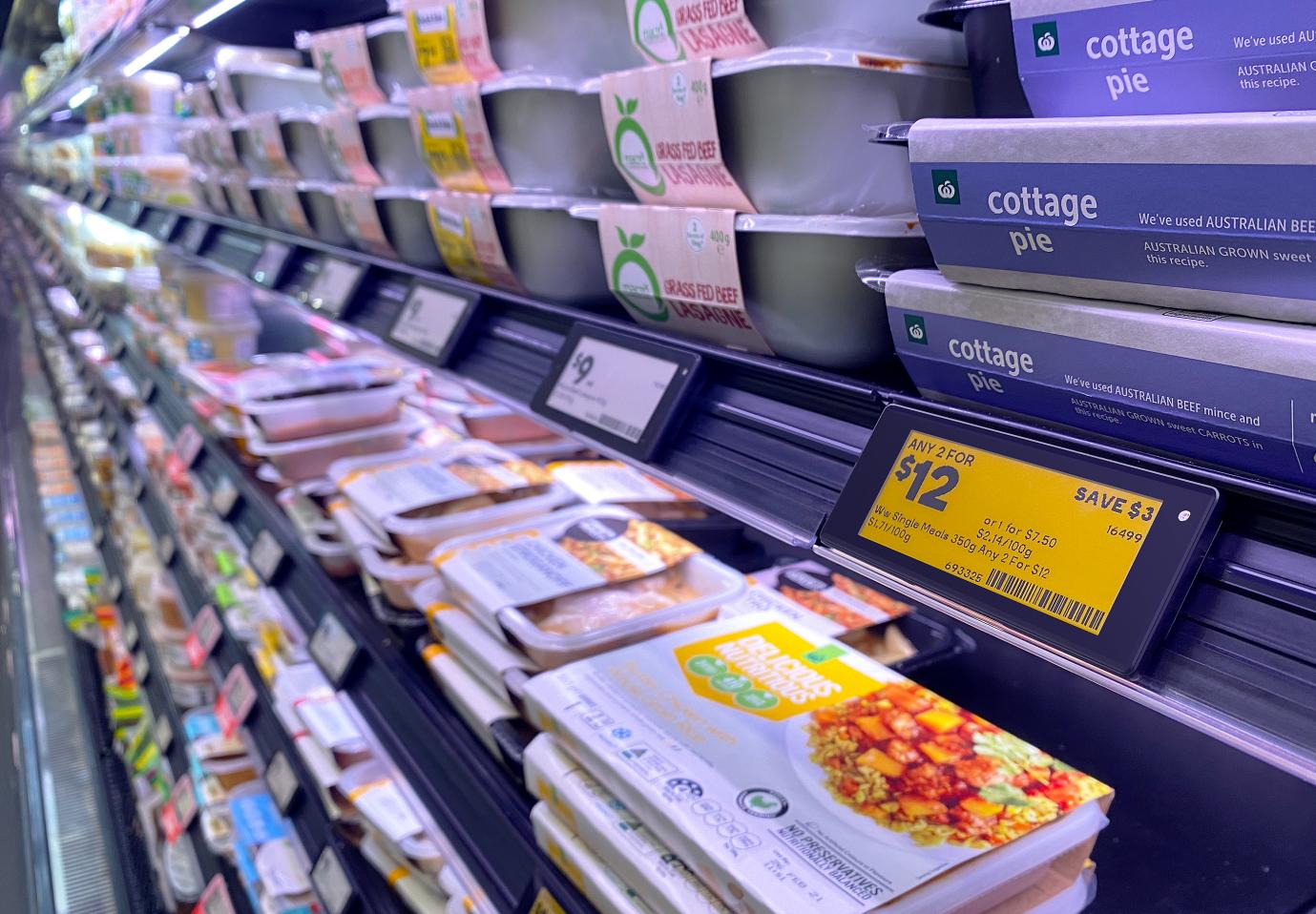
This is where digital price tags and electronic shelf labels can directly support store operations. If a price or promotion has to change, shelf-edge displays can be updated quickly and consistently. When a shelf issue is detected, the platform can help direct store employees to the right location.
Execution also creates a feedback loop. When a task is completed, the system can help confirm whether the shelf condition has improved. So retailers can know not only when there was an issue, but how quickly it was resolved.
Over time, this leads to new performance indicators for store execution, such as issue duration, response speed, planogram compliance, promotion execution rate, and shelf availability.
Practical Scenarios for Retailers
1. Out-of-Shelf Response
Because an item is missing from its shelf position, the system will be able to identify an issue, assess its urgency, and help the replenishment action before sales losses increase. In this case, electronic shelf labels and shelf sensing can help to connect physical shelf condition with operational response.
2. Promotion Execution
If a promotion is scheduled but shelf content or placement does not match the campaign plan, store teams can be directed to correct the issue. The digital price tag becomes part of a fast execution chain for promotional updates.
3. Merchandising Compliance
Retail headquarters can compare intended shelf execution with real store conditions. It helps to establish consistency between locations and enables supplier relationships to be more reliable.
4. Store Performance Review
As retailers don’t just compare sales numbers, retailers can see the shelf conditions in store and what is on the shelves behind them. This allows teams to see why one store does better than another by comparison to get to the shelf conditions behind those numbers.
5. Staff Task Allocation
Store managers can assign work based on real-time shelf priorities rather than manual inspection routes. This helps reduce wasted labor and improve response efficiency.
Why this matters for Retail Digital Transformation
Retail digital transformation shouldn’t stop at dashboards. A dashboard that only displays results is useful, but it does not automatically improve store operations. We can say that the real value is when data is connected to action.
The shelf remains the most critical operational interface between products and customers for grocery stores and big retail chains. If retailers can gain shelf data, analyze it in context, make better decisions and perform tasks faster, they can improve operational efficiency and customer experience. In short, we’re all concerned with putting electronic shelf labels on top of what we want to do. They are no longer just cost-saving tools for price updates. When integrated into smart shelf solutions such as Hanshow NexShelf, electronic shelf labels help create a more responsive store execution system.
A digital price tag can display accurate pricing. But a connected digital price tag system can also support faster promotion execution, better store consistency, and more efficient shelf-level operations.
This closed-loop approach also provides an important foundation for future Store Digital Twin initiatives, where retailers can connect shelf conditions, store operations, and decision-making in real time.
Conclusion
Retailers do not need more disconnected data. They need data that can guide action.
By moving through the four stages of Perception – Analysis – Decision – Execution, retailers can turn shelf visibility into measurable store performance. This approach helps bridge the gap between headquarters strategy and store-level reality.
Hanshow NexShelf helps facilitate this transformation by bridging smart shelf sensing, Nebular Ultra electronic shelf labels, N5 AI Camera, and platform-level execution capabilities. These technologies help retailers to understand what's happening on the shelf, what needs to be done by retail teams, and the speed at which they can respond on a store level. In the future of retail, the winners will not only be the retailers that collect the most data but also the retailers that can put shelf data into action.
The future of retail will not belong solely to retailers that collect the most data. It will belong to retailers that can sense, understand, decide, and act in real time.
Solutions such as Hanshow NexShelf help retailers bridge the gap between shelf visibility and store execution, creating the foundation for more intelligent and responsive store operations.