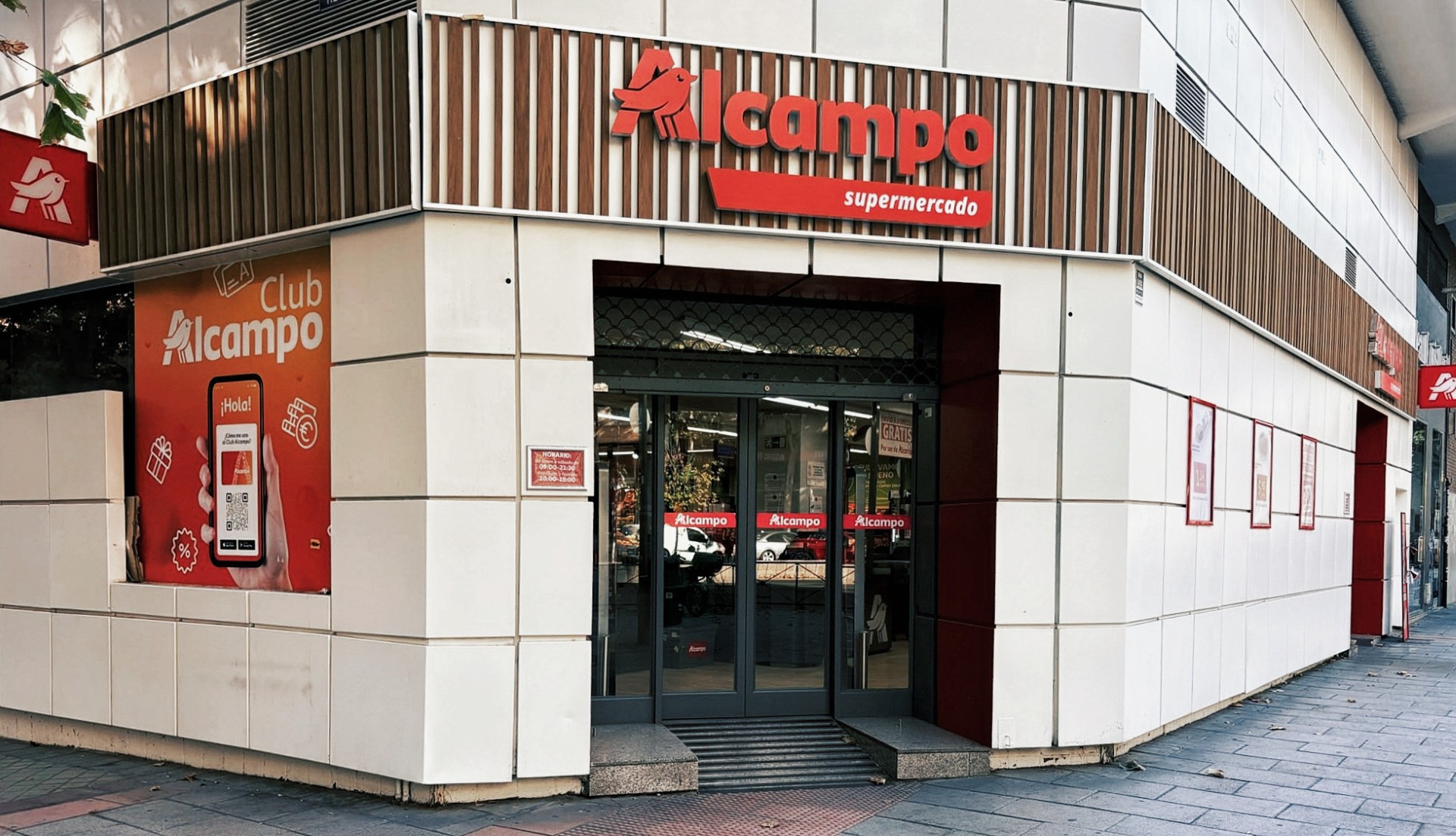
The peak-end rule is vital in shaping customer experiences, especially within the retail sector. It is a psychological principle. It suggests that the overall impressions of an experience for people are based on their memories of the most intense “peak” moments, as well as the ending. Retailers can leverage the peak-end rule to create positive customer journeys. They can achieve this by strategically optimizing memorable moments at the start and finish of someone’s store visit.
The Impact of Peak-End Effect
According to the peak-end rule, our brains tend to remember mostly the most intense peak moments, either good or bad, and the endings. This means that creating positive peak experiences and positive endings can leave customers with better overall impressions. These impressions positively influence things like return visits and loyalty. By understanding how the peak-end effect colors our perceptions, retailers can craft shopping trips that optimize enjoyment and satisfaction.
Retailing: The Key Is Creating Positive Peak and Positive End Experiences
Creating positive peak and positive end experiences is crucial for retailers looking to improve customer journeys. To capitalize on positive experiences, here is what you can do as a retailer:
How to Create Positive Peak Experiences
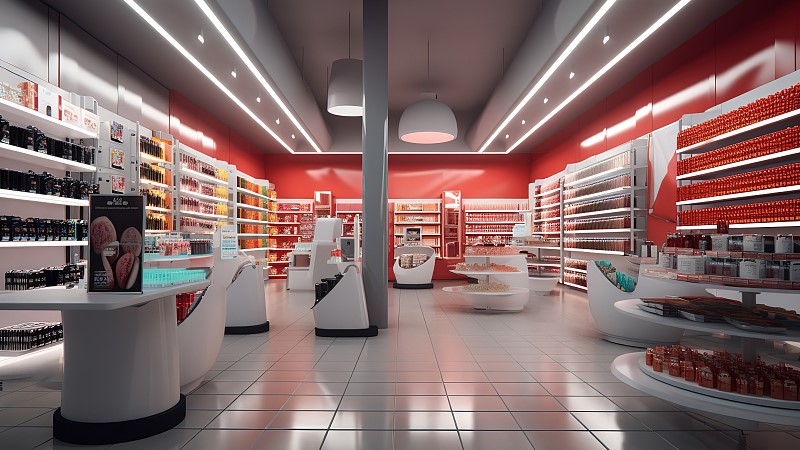
Introducing customers to vivid product displays, interactive promotions, and attentive service facilitates meaningful engagements from the very start of their store visit. Key strategies include (but are not limited to):
- Vivid Product Display
Products presented creatively with proper lighting, organized sections, and signage help customers discover items easily to spark interest. Mannequins and decorative staging bring products to life. They allow shoppers to visualize how items would look in their own home.
- Promotional Activities
In-store demonstrations, samples, games, and giveaways make shopping more entertaining for customers and promote engagement with the brand. Successful stores often host interactive features like workshops or special events. The goal is to cultivate excitement and create shared experiences among customers.
- Attentive Customer Service
Staff should be easily visible, smiley, and willing to assist with questions. Their aim should be to provide customers with a friendly experience from the beginning. Employees should also be trained to start natural conversations with browsing customers. In this way, they can better understand their needs and provide guidance in navigating the store.
How to Create Positive End Experiences
From an efficient payment process to follow-ups after the sale, you must focus on satisfying customers to the very end to build loyalty. Key strategies include (but are not limited to):
- Efficient Checkout Process
Fast-moving lines with multiple cash counters prevent long queues. In this way, they prevent the outcome where customers are left feeling negative at the end. Dedicated express lanes or digital checkouts using smartphone apps are also recommended. They make completing transactions swift and hassle-free.
- Responsive After-Sales Service
Addressing issues or exchanges promptly through multiple contact channels is beneficial. Use live chat, email, and phone channels. This will ensure that customers feel supported even after shopping ends, creating positive end experiences.
Example of Applying the Peak-End Rule in Retailing
IKEA presents one of the successful peak-end rule examples. The brand is well-known for its mastery of implementing the peak-end rule through carefully designed in-store experiences. Upon entering one of its 473 stores worldwide, customers are immersed on a journey to discover home furnishings in an inspiring setting. Stores are arranged to encourage exploration through curated pathways that highlight different room layouts. During shopping, vivid signage and peeks into interactive scenes fuel excitement as customers navigate through options.

As the visit concludes, IKEA ensures smooth endings with spacious checkout areas and friendly staff facilitating quick transactions. They also serve one-dollar ice-creams or hot dogs, which creates positive end experiences. IKEA excels at optimizing both the start and finish of the customer experience and building customer loyalty. That’s probably why IKEA boasted 822 million store visits in fiscal year 2022.
Optimize Peak Experience with Hanshow Digital Price Tags
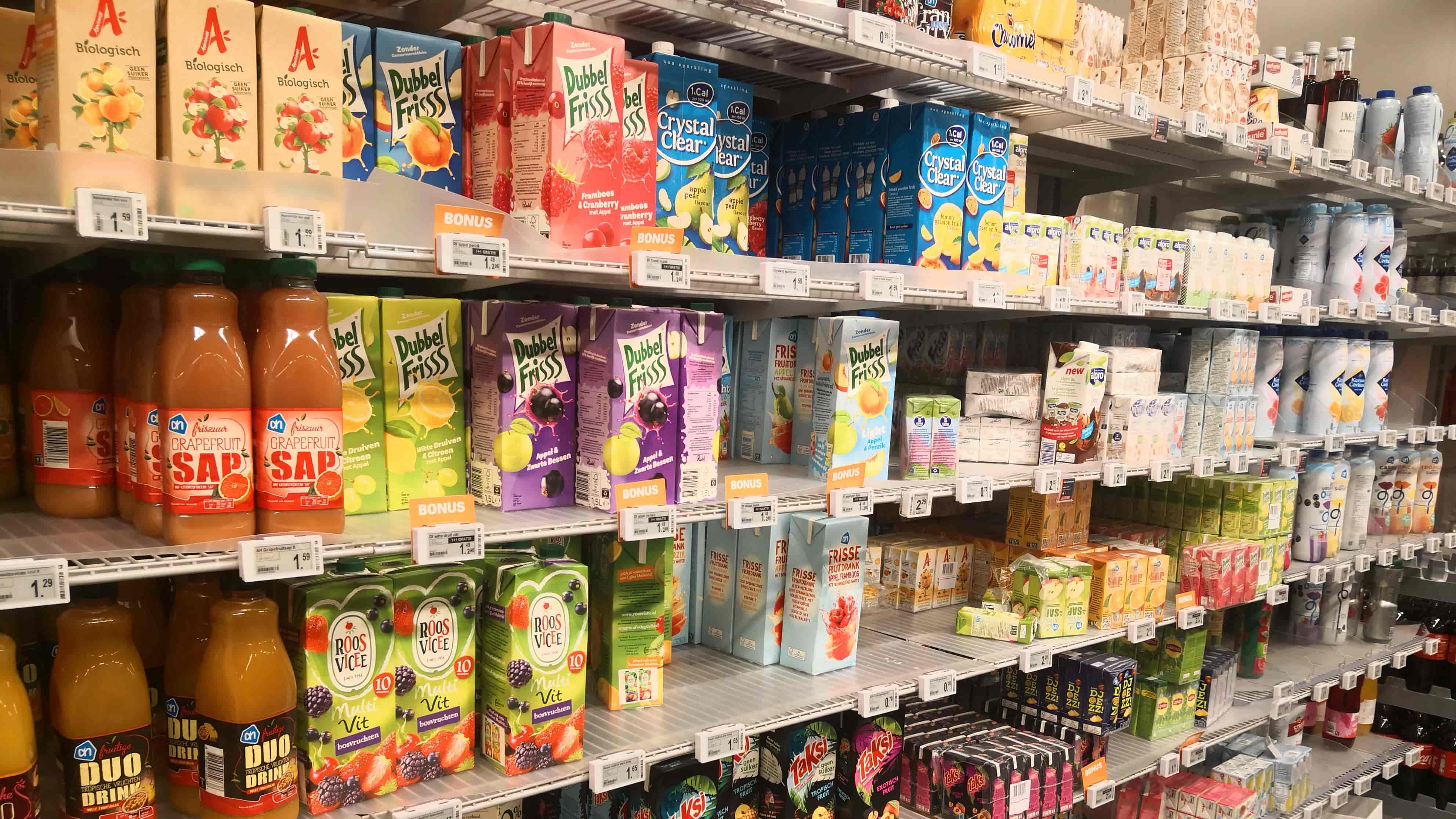
Applying the peak-end rule has become vital for positive customer experiences and loyalty in retail. Digital price tags from Hanshow help retailers offer more product information and up-to-date pricing. The vivid displays largely engage customers, and real-time accurate pricing avoids confusion for customers. These digital price tags help create positive customer experiences in retail settings. Visit our website to browse all of our electronic shelf label solutions.