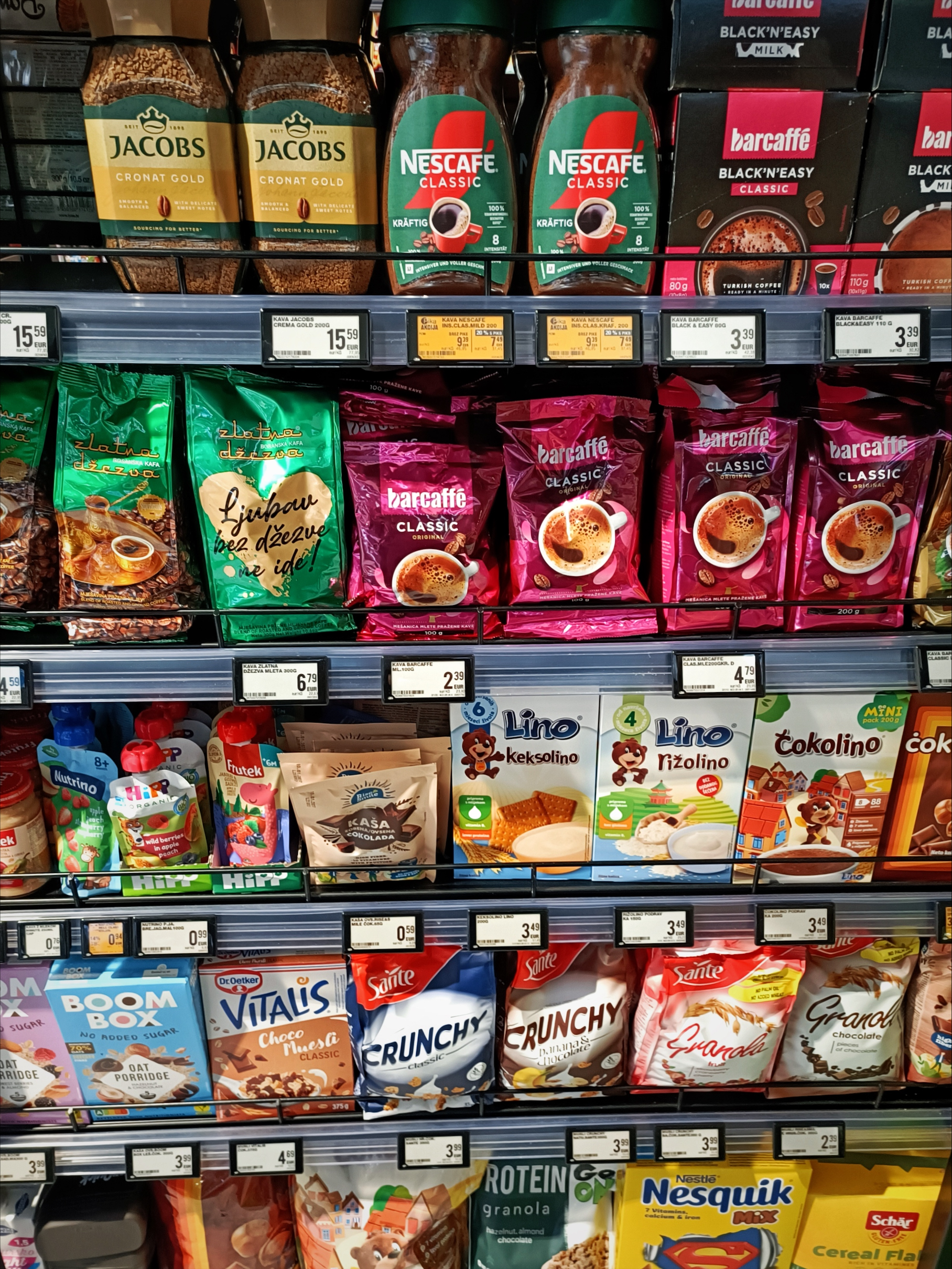
A successful electronic shelf label pilot can prove that the technology works in one store. It can demonstrate faster price updates, better pricing accuracy, and reduced manual workloads. Yet success in a single location does not automatically provide a blueprint for hundreds or thousands of stores.
When retailers expand an electronic shelf label deployment across regions, they must account for differences in store size, product assortment, IT infrastructure, local regulations, operating practices, and service capacity. A scalable program requires more than repeating the pilot. It needs a structured framework that combines global standards with controlled local adaptation.
Step 1: Group Stores by Deployment Conditions
Store format directly changes the deployment strategy: it affects radio coverage, shelf geometry, label density, installation windows, price-change frequency, integration touchpoints, and the support model. Group stores by the conditions that change the rollout design, rather than treating format as a reporting label:
- ● Store size and physical layout
- ● Number of products and shelves
- ● Frequency of price and promotion updates
- ● Network availability and stability
- ● Existing store systems and equipment
- ● Primary business scenarios
For example, a large hypermarket may require dense radio planning, tens of thousands of labels, night installation windows, and coordination across many departments. A convenience store has fewer labels but may need rapid promotion execution in a small footprint. A warehouse-style store may need longer viewing distances and larger digital price tag formats, while a specialty retailer may prioritize detailed product information and premium visual presentation.
This grouping informs device mix, radio and network design, installation capacity, integration testing, training, and support coverage. It also prevents assumptions from one store format from being applied to locations with very different operating conditions.
Step 2: Define the Global Standard
Once stores have been grouped, the retailer can define which elements should remain consistent across the entire organization.
The global baseline should standardize the product and pricing data model, SKU and location identifiers, approval states, API contracts, security controls, monitoring definitions, and core template hierarchy. Each region should send information in the same structure, and each market should be evaluated against the same acceptance criteria.
A global security baseline is equally important. It should define authentication, access control, encryption, software updates, monitoring, and incident-response responsibilities. Consistent security requirements reduce risk and make it easier to review new markets before deployment.
Retailers should also establish shared KPIs and acceptance criteria. Typical measures include update success rate, update latency, label connectivity, installation accuracy, battery status, system availability, and incident resolution time. When every market uses the same definitions, management can compare results without confusing differences in measurement.
Step 3: Manage Local Exceptions Deliberately
Global standardization does not mean forcing one visible label or one integration adapter everywhere. Keep the architecture, data definitions, security baseline, approval states, and measurement terms consistent; localize only the parts that reflect law, language, currency, store infrastructure, or operating practice.
For example, a retailer operating in Germany and Canada can keep the same SKU identifiers, approval states, event logs, and price-field hierarchy, while local templates display German or English/French copy, EUR or CAD, market-specific unit-price wording, and the disclosures required for local promotions. Those visible variations should be approved as controlled template variants, not recreated store by store.
Pricing authority can also differ. One market may approve promotions centrally while another permits store-level markdowns; one may require a previous-price display or deposit information while another does not. Keep approval logic, audit events, and interface contracts globally consistent, then configure the market rule in the pricing service and the relevant template variant so the same rule is not hard-coded separately in every store.
Infrastructure is another legitimate local exception. Stores may use different access points, handheld devices, POS adapters, or network configurations, and remote locations may need an offline recovery procedure or a different support partner. The global architecture should still define device identity, monitoring, security, and escalation evidence so local adapters remain comparable and supportable.
Each exception should be evaluated, approved, documented, tested, and assigned an owner for future upgrades. Uncontrolled customization makes releases harder to compare and increases operating costs.
Step 4: Run Controlled Waves with Go/No-Go Gates
A large-scale deployment should progress in waves rather than through a single simultaneous launch. Define a store group, scope, owner, and learning objective for each wave; the next wave should depend on a pre-agreed go/no-go decision, not only on installation completion.
Before installation, product and location data must be cleaned. Duplicate records, incorrect product identifiers, missing shelf locations, and outdated pricing rules can cause failures.
System integration should be validated with realistic transaction volumes and business scenarios. This includes regular price changes, urgent corrections, promotions, new product introductions, and rollback procedures. Installation planning should cover label preparation, shelf mapping, device pairing, physical installation, verification, and the removal or recycling of previous paper labels.
Training and support must advance with the rollout. Store employees need to understand daily operations, basic troubleshooting, escalation routes, and exception handling. Regional support teams require deeper knowledge of monitoring, system administration, and incident management.
At entry, confirm readiness for data, integrations, devices, training, and support. At exit, require evidence that the store group can operate the system and that unresolved exceptions have an owner; installation completion alone is not enough.
- ● Project teams can compare several indicators:
- ● Percentage of price updates completed successfully
- ● Number and type of device or system failures
- ● Average time required to resolve incidents
- ● Training completion rates
- ● Installation quality and data accuracy
- ● Feedback from store managers and employees
Agree thresholds before the wave begins. If results remain below the required level, investigate the cause, complete corrective actions, and repeat the relevant validation before expanding. This keeps the wave plan and the gate decision connected while limiting the impact of unresolved problems.
Comparisons should also be made between store groups. A lower success rate in one format may indicate a network limitation, a process issue, or insufficient training.
Conclusion
In short, store format is a deployment variable, not a footnote. Retailers need a global baseline for data, security, integration, templates, and measurement, then controlled local variants for language, rules, infrastructure, and service. Grouping stores and using measurable wave gates turns a pilot into a program that can be compared, supported, and improved across regions.
At Hanshow, we believe scalable deployment depends on aligning technology, integration, operational processes, and service capabilities from the beginning. We work with retailers to support consistent global foundations while accommodating the practical requirements of different markets and store formats.
Hanshow’s All-Star Cloud platform supports centralized IoT device management and third-party integration options that can form part of this type of governed rollout, subject to the retailer’s own architecture, controls, and service requirements.