A recall notice can be issued quickly, but an affected product may still be sitting on a store shelf or in the backroom. Store employees need to identify the product, find the relevant location, verify the recall criteria, remove or isolate affected units, and confirm that the required action has been completed. Electronic shelf labels (ESLs) can support the store-execution stage by providing SKU-to-shelf references and, where supported, visual location guidance.
What Exactly Happens During a Retail Product Recall?
The exact recall procedure varies by product, market, and regulatory framework, but the basic store-level workflow is relatively straightforward.
First, the retailer receives information identifying the affected products. A recall notice may contain details such as the product name, package size, UPC, lot or product codes, expiration dates, and distribution information. These details help retailers determine which products require action.
The next step is identification and location. Store teams need to determine whether the affected SKU is present in the store and where it is located. Employees may then remove the product from sale, place it in a designated area, or follow another instruction specified by the recall procedure.
After removal, employees may need to verify the affected products and record the action taken. Recall processes can also include confirmation and closeout activities.
Why Can Store-Level Recall Execution Be Slow?
The challenge often begins with the physical store environment.
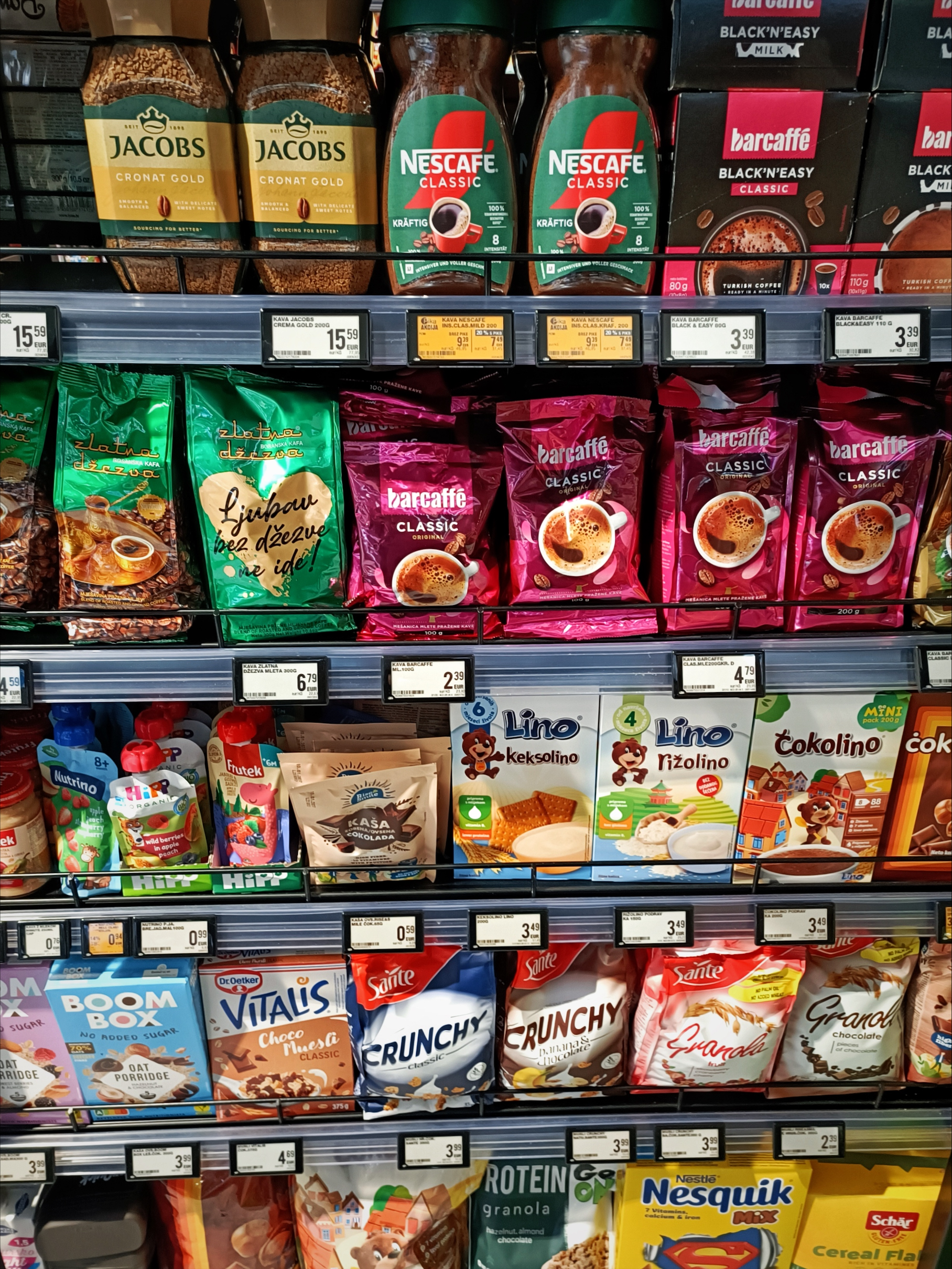
A large supermarket may carry thousands of SKUs across different aisles, displays, refrigerators, freezers, promotional areas, and backroom locations. Product positions can also change due to replenishment, merchandising adjustments, seasonal displays, or temporary stock movements.
Batch-level identification creates another challenge. The same SKU can contain products from different production lots, while a recall may affect only specific lot numbers or dates.
Information gaps can add further complexity. Headquarters may issue a recall task while store employees still need to translate that information into a physical search. When employees rely on printed lists or manually search shelf by shelf, the process can become more difficult, especially when several products or store areas are involved.
How Electronic Shelf Labels Support Product Recall Execution
An electronic shelf label does not replace a retailer’s recall or traceability system. Its value is primarily at the shelf-execution stage.
Once the retailer’s systems are integrated and each electronic shelf label is associated with the corresponding SKU and store location, the ESL infrastructure can provide a reference for where a product should be found.
For example, a recall task may identify a particular SKU. The store employee can use the retailer’s task system to locate the relevant product and then use the associated shelf information to reach the expected position more quickly.
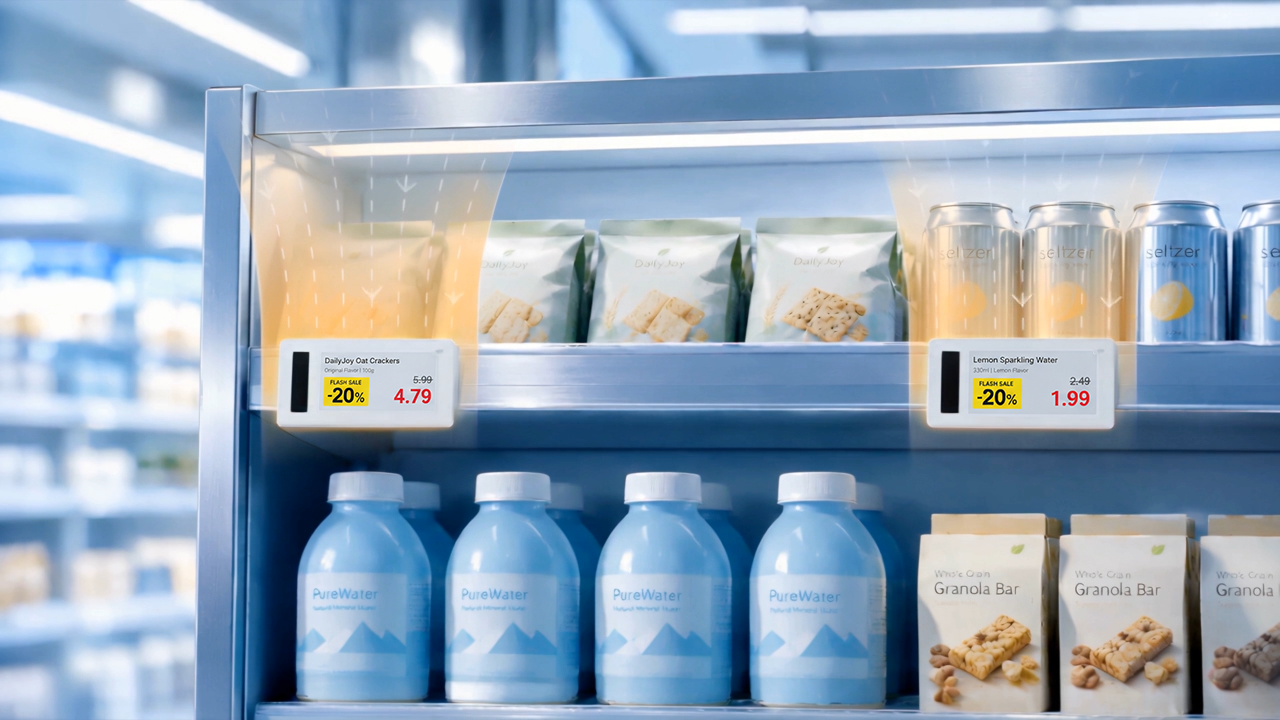
ESLs with LED or positioning capabilities can provide an additional visual cue. Instead of asking employees to identify a small label among many similar products, the relevant electronic shelf label can be highlighted to help indicate the target location. This can be especially useful in stores with dense assortments, similar-looking products, or large shelf areas.
A Practical Recall Workflow With ESL Support
Consider a grocery store that receives an approved recall task for a specific packaged food product.
The central system sends the recall task to the relevant store and identifies the SKU and other recall criteria. The employee receives the task and goes to the expected shelf location. With the help of the store’s electronic shelf labels and, where supported, LED positioning, the employee can identify the relevant shelf area more easily and quickly.
The employee then checks the actual products on the shelf against the recall information, including the applicable lot number or date. If an affected product is found, it is removed or isolated according to the retailer's procedure.
The employee can then record the result through the retailer’s existing task or recall system. If no affected product is found at the expected location, the employee may need to check other relevant locations, such as promotional displays or the backroom.
The important point is that the ESL supports the finding and execution stage. The recall decision, product verification, and final record remain under the retailer’s established systems and procedures.
What ESLs Cannot Do on Their Own
Retailers should also understand the limits of the digital shelf labels. An electronic shelf label is normally associated with a product or SKU rather than a specific production batch. Therefore, a flashing label does not automatically mean that every physical unit at that location belongs to the recalled lot. For this reason, employees still need to physically inspect products and verify the recall criteria.
How Retailers Can Measure Recall Execution
ESL deployment should not be evaluated as the sole cause of better recall performance. Instead, retailers can compare process-level indicators before and after introducing digital shelf support.
Useful measures include:
- ● Time from task release to first store response
- ● Average time required to locate a target product
- ● Store recall task completion rate
- ● Number of exception or unresolved tasks
- ● Verification error rate
- ● Time required to complete recall closeout
These metrics can help retailers identify where delays occur. If product location is a major bottleneck, shelf-level digital tools may offer meaningful support. Other problems may require improvements to inventory accuracy, traceability, employee training, or recall workflows.
How Hanshow Can Support Recall-Related Store Tasks
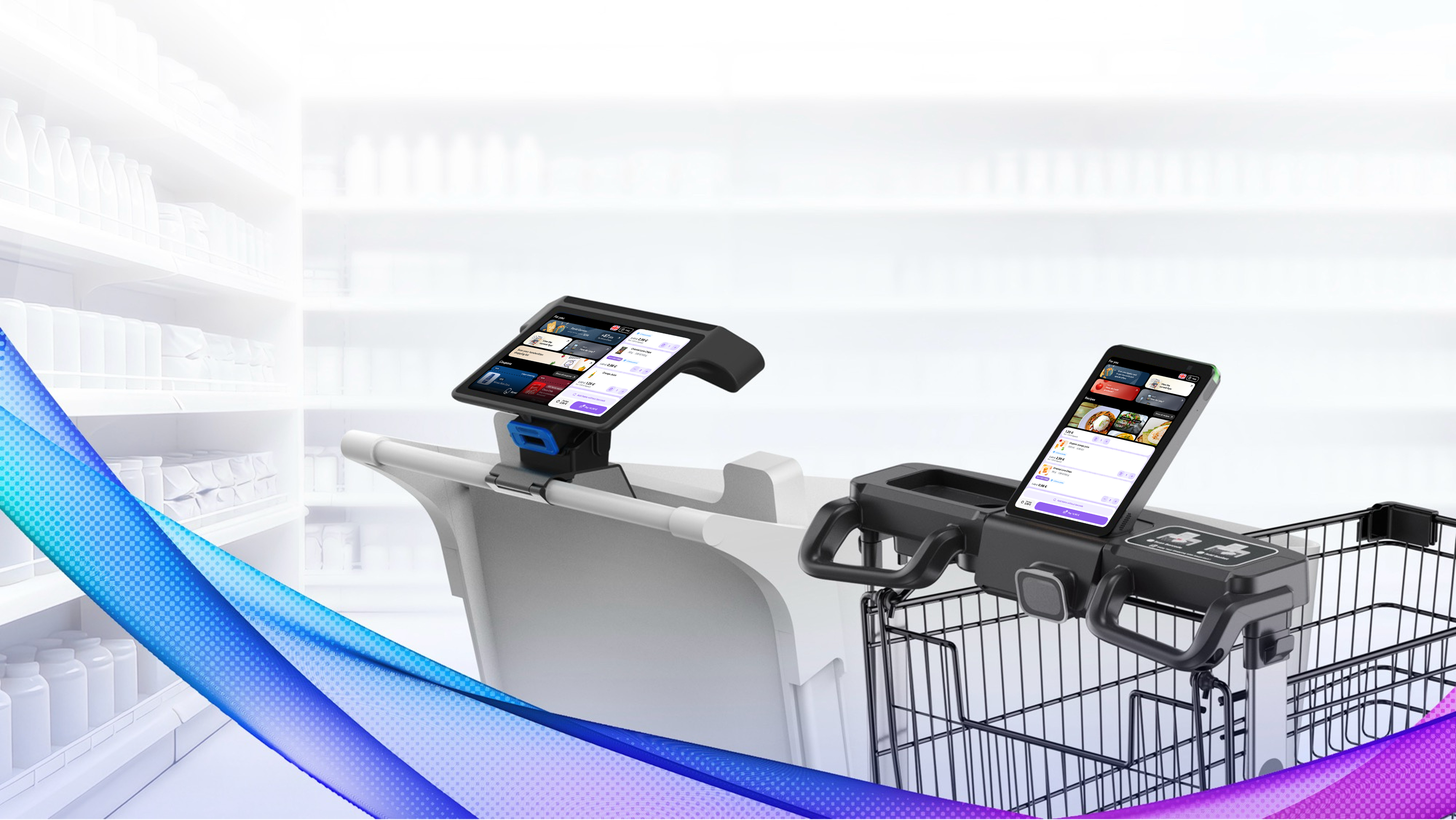
At Hanshow, we see electronic shelf labels as one part of a broader connected store infrastructure. The All-Star platform supports centralized ESL device management and integration, while shelf-level product associations and location references can support store tasks such as picking, product finding, and exception handling.
For recall-related workflows, Hanshow ESLs with positioning or LED capabilities can provide an additional execution layer between a retailer’s approved recall task and the physical shelf. Where retailers use NexShelf, Nebular Ultra ESLs and the N5 AI camera can support more precise product-location references. These capabilities do not identify affected batches or replace recall and traceability systems; they help store teams reach the expected shelf location and act on an approved task more efficiently.
With the right system integration and operating procedures, this shelf-level visibility can become a useful complement to existing recall, inventory, and traceability processes.