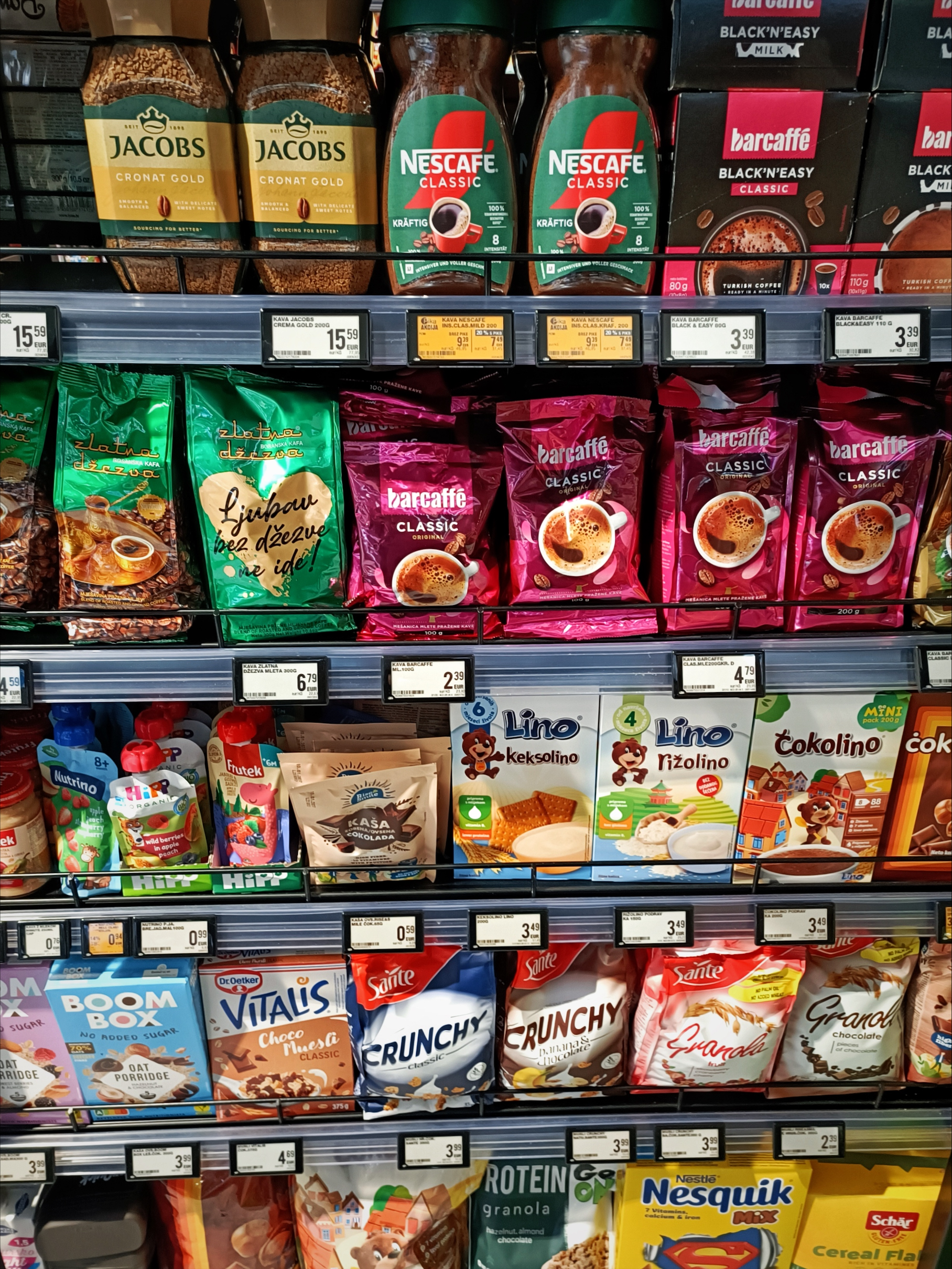
For grocery retailers, price accuracy is a multi-store execution challenge: the price displayed on the shelf should match the price charged at checkout and the price shown in an advertisement. When those numbers differ because of an expired promotion, a missed paper label, or inconsistent updates across stores, shoppers may question the reliability of the entire shopping experience.
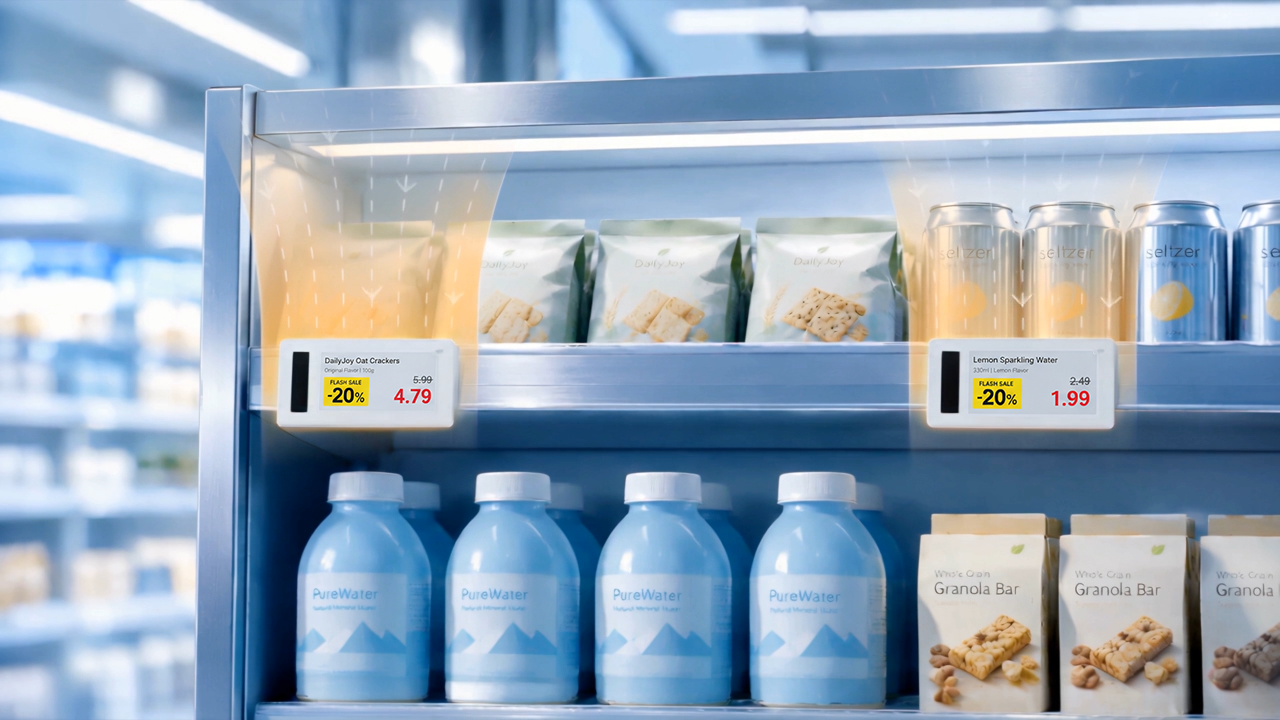
In practice, digital price tags—also known as electronic shelf labels (ESLs)—can help grocery retailers execute approved price changes more consistently across stores. They can also give shoppers clear, timely pricing and promotion information at the point of decision.
What Is a Digital Price Tag?
A digital price tag is an electronic display placed at the shelf edge to show an approved product price and related information. The terms electronic shelf label and digital shelf label are commonly used for the same type of technology.
These labels replace paper tags that employees must print, sort and install manually. They can receive authorized updates from a central system, allowing the shelf display to reflect current prices, promotions and product details without requiring an employee to replace every label by hand.
Digital price tags display and execute approved prices; pricing decisions remain within the retailer’s established systems, policies and approval processes.
Why Grocery Price Accuracy Is Difficult
Grocery retail is a demanding pricing environment. Weekly promotions may begin and end at precise times. Fresh and prepared foods may require timely markdowns. Advertised offers must be coordinated across physical and digital channels. Damaged, missing or outdated labels must be identified and corrected.
According to the Food Industry Association (FMI), an average U.S. supermarket carries approximately 32,000 unique products and may change more than 7,000 shelf tags each week. Across a large chain, the number of paper tags printed weekly can reach into the millions.[1]
With so many price changes happening at this scale, relying entirely on manual label replacement makes it extremely difficult to eliminate errors altogether. Even a small error rate can translate into a large number of incorrect or outdated shelf tags across a large store or retail chain.
How Digital Price Tags Support Price Accuracy and Shopper Transparency
The main value of a digital price tag is its ability to connect an approved price with the place where shoppers see it.
For shoppers, transparency depends on seeing the current price, unit price, membership conditions, promotion validity period, and relevant product information at the shelf. A digital price tag can make those details visible in a consistent format, but it does not replace the retailer’s pricing controls or legal disclosure obligations.
- ● Centralized updates: Authorized teams can distribute approved changes from a central price-management system instead of sending employees to replace every paper label individually.
- ● Scheduled promotion changes: Retailers can prepare start and end times in advance. This helps prevent an old promotional tag from remaining on the shelf after the offer has expired.
- ● Shelf-register alignment: When shelf labels and point-of-sale systems receive information from a coordinated source, retailers can reduce timing gaps between the displayed and scanned price.
- ● Audit visibility: System records can show which update was sent, when it was sent and whether the label acknowledged it. This gives operational teams a clearer starting point when investigating an exception.
- ● Exception handling: A strong system can identify labels that are offline, missing or unable to complete an update. Employees can then focus their attention on specific exceptions rather than checking every shelf manually.
These capabilities support pricing accuracy and shopper transparency by keeping the shelf display aligned with approved information and making promotion conditions easier to see. Retailers should still conduct sample checks, respond to customer reports, and correct discrepancies promptly.
What Controls Should Retailers Define
Technology is most effective when paired with clear operating controls. Before deployment of digital price tags, grocery retailers should define:
- ● Who may create, approve, schedule and cancel a price change.
- ● Whether higher-risk changes require additional approval.
- ● When promotions and markdowns may take effect.
- ● How shelf, checkout, advertising, ecommerce and mobile-app prices are synchronized.
- ● Which users and systems can access pricing functions.
- ● How failed updates are flagged, assigned and resolved.
- ● How shoppers are informed about promotions, unit prices and corrections.
Building a Connected Pricing Execution Layer
Digital price tags work best as part of a connected retail environment. Pricing systems, point-of-sale platforms, promotion tools and store operations all need to exchange reliable information and surface exceptions quickly.
Hanshow electronic shelf label solutions and the All-Star platform can form part of this connected pricing execution layer by supporting centralized label management, integration with retailer systems, and visibility into update status and operational exceptions. The objective is to help approved pricing and product information reach the shelf consistently across stores.
Together with thoughtful controls, clear customer communication and disciplined verification, digital price tags can help make grocery pricing more accurate, transparent and dependable.
References
[1] Food Industry Association. Electronic Shelf Labels: Improving Accuracy, Reducing Waste and Supporting Modern Grocery Retail. https://www.fmi.org/industry-topics/fact-sheet/electronic-shelf-labels--improving-accuracy--reducing-waste-and-supporting-modern-grocery-retail