Sustainability has become an important issue for supermarkets today. This is due to growing environmental concerns. Not to mention increasing consumer demand for ethical choices. Considering these, supermarkets must implement practices that reduce their ecological footprint and appeal to values of sustainability. By adopting measures that conserve resources and cut waste, the sustainable supermarket dream can become a reality, creating a better future.
Reasons to Build a Sustainable Supermarket
There are strong motivations for supermarkets to focus on sustainability. Consumer appeal, environmental conservation, and brand building are particularly impactful factors.
Consumer Appeal
According to a key takeaway from a report[1] produced by First Insight and the Baker Retailing Center, consumers across all generations, from Baby Boomers to Gen Z, are increasingly willing to spend more for sustainable products and shopping formats. Kearney’s 2023 Earth Day survey[2] also finds similar results, with more than 40% of consumers factoring in sustainability when making a purchasing decision. These findings highlight the growing consumer demand for sustainable products and practices, with a notable preference for sustainable supermarkets and shopping formats.
Environmental Conservation
Building a sustainable supermarket contributes largely to environmental conservation. As the global environmental challenges continue to escalate, it becomes imperative for supermarkets alike to implement sustainable practices. A Baltimore store understands this and details sourcing sustainably through waste reduction, recyclable materials, and efficient transportation. The Système U Cooperative, a giant food retailing group in France, also plays a key role in environmental protection as it has adopted an energy-efficient ESL system.
Brand Building
Emphasizing sustainability strengthens a supermarket’s brand reputation. Consumers have positive associations with companies prioritizing ethics and the environment. Building recognition as a leader in this area cultivates loyalty and attracts customers who value supporting brands aligned with their priorities. Communicating commitments and accomplishments develops brand trust over time.
5 Ways to Build a Sustainable Supermarket
Several practical measures enable supermarkets to operate sustainably while benefiting businesses and the planet. Key actions that could comprise an effective sustainability initiative include utilizing new technologies, reducing energy usage, improving sourcing, minimizing food discards, and lessening plastic consumption.
Implement ESL System
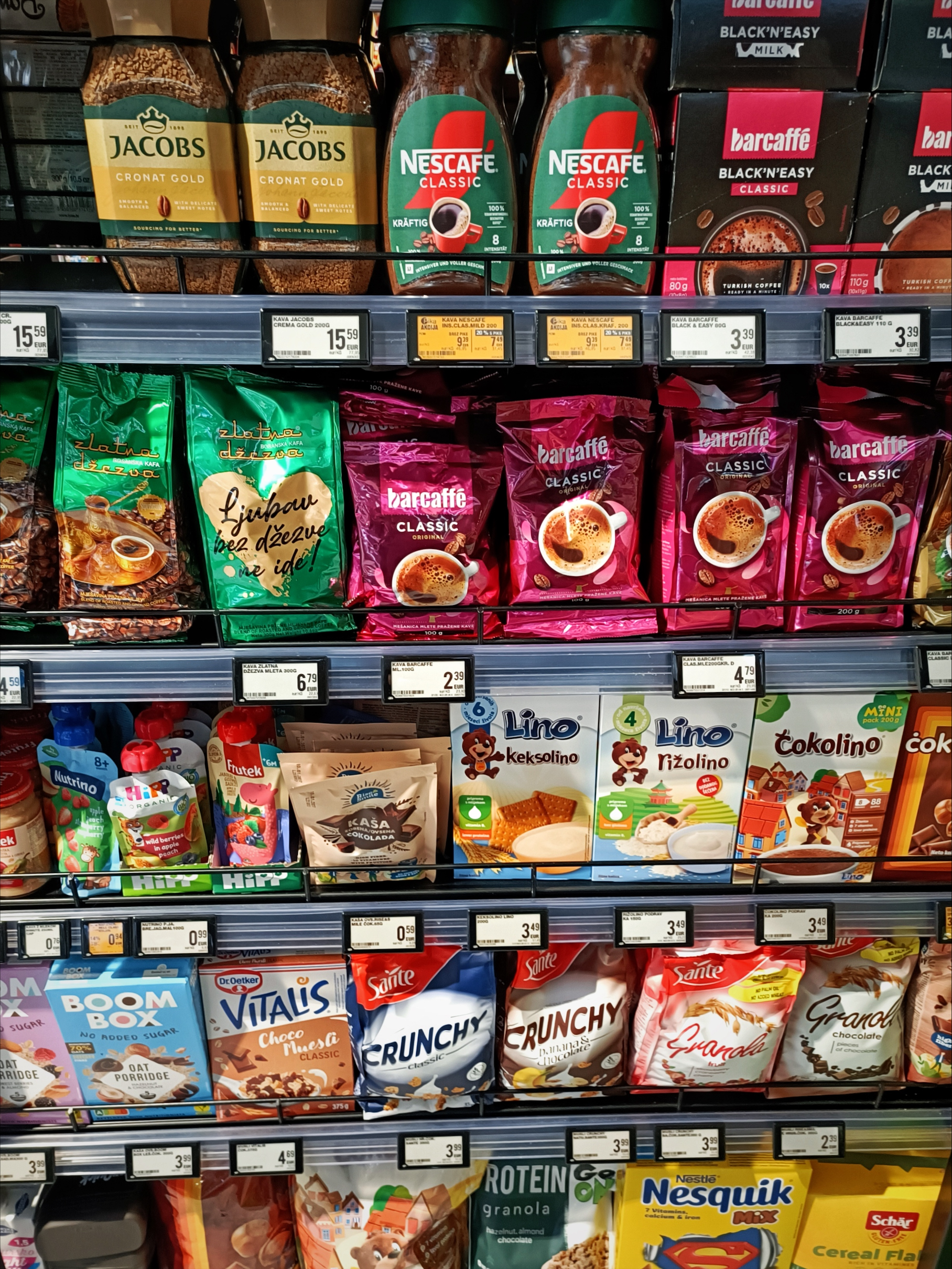
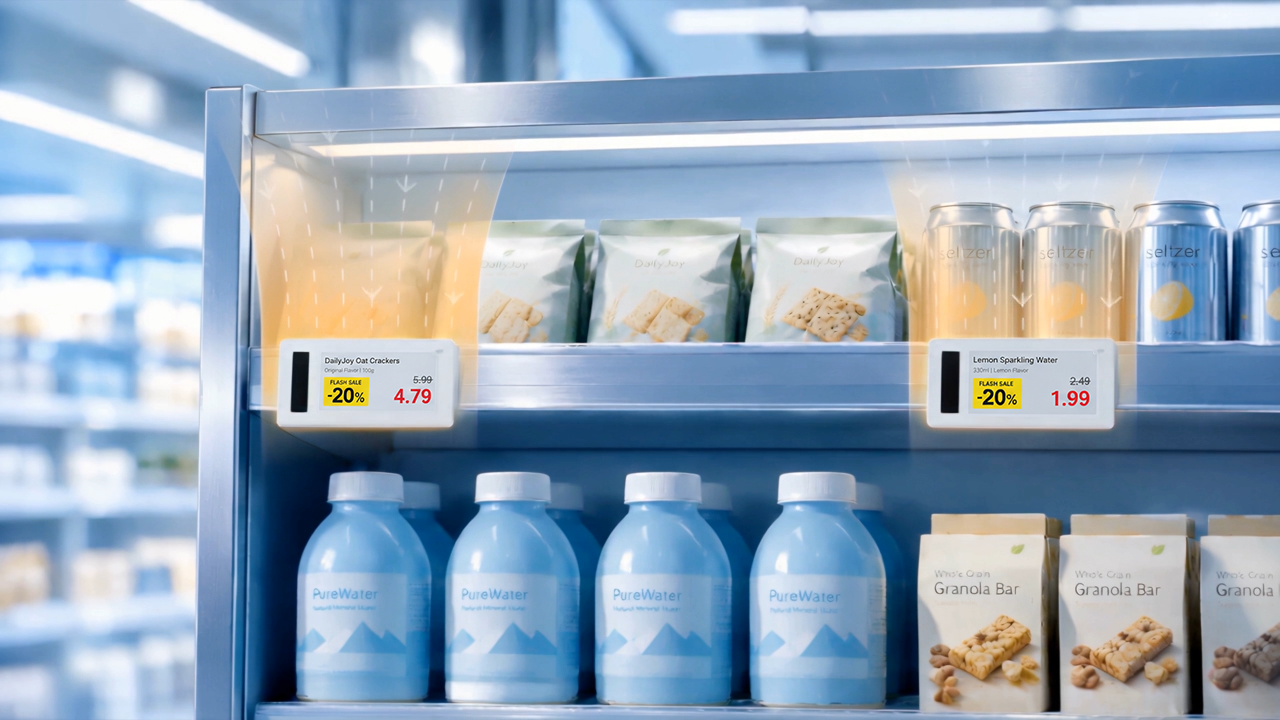
Supermarkets constantly need to change labels for repricing and promotions. However, traditional paper labeling methods often lead to significant amounts of paper waste every year. This is where electronic shelf label (ESL) systems come in. They minimize paper usage and waste without compromising on the pricing needs. They consume little to no power when pricing. Some digital price tag models even allow 2 updates per day with a lifespan of up to 15 years.
Install Energy-Efficient Lighting
Transitioning to LED fixtures significantly cuts energy usage and expenses. LED is a highly energy-efficient type of lighting that uses up to 90% less energy than traditional incandescent or fluorescent lights. LED lights last much longer too, up to 25 times longer than other options. This further reduces replacement needs and maintenance costs over time. Motion sensors or timed switches can also help optimize the energy savings from using LEDs.
Work with Local Farmers
Local sourcing from nearby family farms eliminates the need for long-distance transportation of food. This lessens the environmental impacts of fuel use and greenhouse gas emissions and saves sourcing costs. Stores can highlight local producers and support the development of local agriculture. Farmers also benefit from stable demand for their responsibly grown foods. Partnering in this way directly builds sustainability.
Reduce Food Waste
Combating food waste is another major sustainable practice. Closely monitoring sales and supply trends helps prevent overstocking of perishables. This prevents excess surplus inventory from becoming waste. Inventory tools using data analytics optimize ordering. Staff training improves handling and storage efficiency too. Together these optimization practices reduce waste and contribute to sustainability.
Encourage Reusable Bags
Incentivizing reusable bags helps customers form sustainable habits while eliminating single-use plastic bag costs for stores. Offering discounts on purchases or small gifts when customers use reusable bags provides motivation. Discounts could take a percentage off the total or apply to a future visit. This also helps attract customers and improve brand reputation.
Build a Sustainable Supermarket with Hanshow
Overall, building an eco-friendly supermarket delivers customer satisfaction and environmental benefits. It also strengthens a supermarket’s reputation as a responsible community leader. For reliable and innovative ESL solutions, supermarkets can opt for Hanshow digital price tags. As a pioneer in electronic shelf labels serving over half of the top retailers worldwide, our brand helps customers realize significant gains in efficiency, sales, and customer experience. Our responsive customer service and customized ESL solutions support the unique needs of a wide range of stores globally. Visit our website to learn more about how our ESLs can help build your sustainable supermarket.
References
- https://www.firstinsight.com/white-papers-posts/the-sustainability-disconnect-between-consumers-and-retail-executives
- https://www.kearney.com/industry/consumer-retail/article/-/insights/four-scenarios-for-the-rapid-adoption-of-climavorism